- umrah for parents
- umrah tips for senior travelers
- best umrah for elderly
- group umrah tours for families
- assisted umrah services
- how to arrange umrah for parents
- affordable umrah trips
- umrah packages for seniors
- umrah travel for parents
- gift umrah
عمرة بديلة موثقة للوالدين: 3 حالات وقائمة مراجعة لكبار السن
نُشر في 7 سبتمبر 2026
عمرة بديلة موثقة للوالدين: 3 حالات وقائمة مراجعة لكبار السن
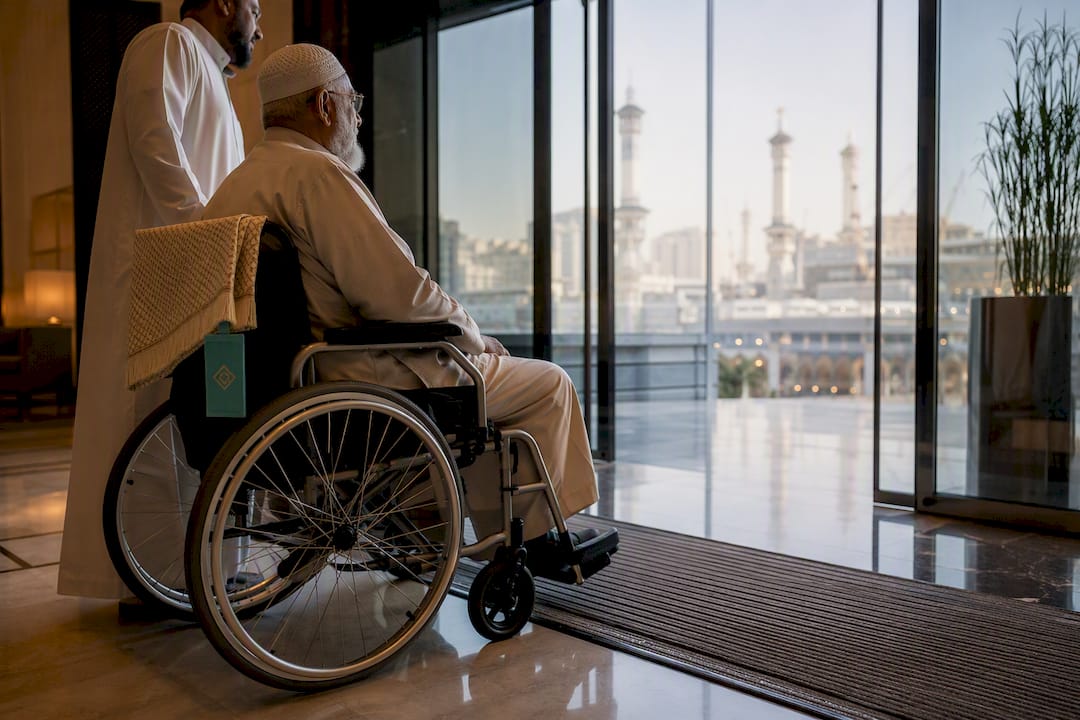
نعم، يمكنك أداء العمرة نيابةً عن والديك. يُجيز الفقه الراسخ أداء العمرة بالنيابة عن أحد الوالدين المتوفى، أو العاجز عن أداء العمرة بسبب المرض أو كبر السن، أو الحيّ الذي أعطى إذناً صريحاً بذلك. لكنّ ما يُثير استغراب الكثيرين هو اشتراط العديد من العلماء أن يكون الوكيل قد أتمّ عمرته بنفسه قبل أداء العمرة نيابةً عن غيره. فيما يلي شرحٌ مُفصّل للفقه، وخطوات أداء العمرة، والشروط الصحية، وكيفية اختيار وكيلٍ مُناسبٍ في حال تعذّر على والدك السفر.
باختصار شديد:
- يشترط معظم العلماء أن يكون الوكيل الذي يؤدي العمرة نيابة عن أحد الوالدين قد أدى عمرته الخاصة مسبقاً.
- ينبغي توثيق إذن أحد الوالدين الأحياء بشكل صريح، أما بالنسبة للوالدين المتوفين أو العاجزين، فيمكن لأفراد الأسرة التصرف نيابة عنهم بموافقة أكاديمية.
- يشمل التخطيط لرعاية الوالدين المسنين إعطاء الأولوية لقرب الفندق، وحجز المساعدة بالكراسي المتحركة مسبقاً، وإدارة الحرارة والازدحام وروتين تناول الأدوية.
- عند استخدام خدمة بديل عمرة، تحقق من إثبات إتمام المناسك، وتأكد من أن المؤدي قد أدى عمرته الخاصة أولاً، وتأكد من وضوح سياسات الاسترداد.
- إن إحضار هدايا بسيطة وذات مغزى مثل ماء زمزم أو التمر، إلى جانب دليل موثق على الطقوس، يعزز الصلة الروحية مع الوالدين.
جدول المحتويات
- ما هي العمرة البديلة، ومتى تُطبق؟
- الشروط الدينية والنقاط الفقهية الرئيسية للتأكيد
- كيف تؤدي العمرة نيابة عن أحد الوالدين، خطوة بخطوة؟
- تخطيط العمرة للوالدين المسنين القادرين على السفر
- ترتيب خدمات العمرة البديلة عندما يتعذر على الوالدين السفر
- الاستعداد العاطفي والروحي للآباء والوكلاء
- التحديات الشائعة التي يواجهها الآباء المسنون أثناء أداء العمرة
- ما هي الهدايا أو التذكارات التي يجب إحضارها للوالدين؟
- وجهة نظر المؤلف: الموازنة بين الإخلاص والرعاية العملية
- كيف تساعدك بادرة في ترتيب العمرة لوالديك
- مصادر
ما هي العمرة البديلة، ومتى تُطبق؟
العمرة بالبدل تعني ببساطة أداء العمرة نيابةً عن شخص آخر. يقوم شخص بأداء المناسك، ولكن يُنسب الفضل الروحي وإتمام الفريضة إلى شخص آخر. ويعود أصل هذا المفهوم إلى الممارسات الإسلامية المبكرة، حيث كان صحابة النبي صلى الله عليه وسلم يؤدون فريضة الحج نيابةً عن أقاربهم الذين لم يتمكنوا من السفر بأنفسهم.
ينطبق هذا عادةً في ثلاث حالات:
- توفي أحد الوالدين دون إتمام العمرة المفروضة، أو ترغب عائلته في إرسال الأجر الروحي نيابة عنه.
- أحد الوالدين غير قادر بشكل دائم على السفر بسبب مرض مزمن أو إعاقة أو تقدم في السن، ولا يُتوقع الشفاء.
- يمنح أحد الوالدين الأحياء إذناً صريحاً لشخص ما لأداء العمرة باسمه، غالباً لأن السفر مستحيل حالياً ولكنه ليس بالضرورة دائماً.
بالنسبة للوالدين المتوفين أو العاجزين عجزًا دائمًا، تؤكد فتوى موقع إسلام ويب جواز أداء فريضة الحج أو العمرة نيابةً عنهما. أما بالنسبة للوالدين الأحياء الذين قد تتغير حالتهم، فإن معظم العلماء يفضلون الحصول على موافقتهما. وتختلف آراء العلماء في بعض التفاصيل الدقيقة، مثل ما إذا كان المرض المؤقت يُعدّ سببًا كافيًا، لذا إذا كانت حالتك لا تندرج ضمن الحالات الواضحة، فإن استشارة عالم مختص مباشرةً تُجنّبك الشك لاحقًا.
الشروط الدينية والنقاط الفقهية الرئيسية للتأكيد
قبل تكليف أحد الوالدين بأداء العمرة أو القيام بها نيابةً عنه، يجب استيفاء بعض الشروط أولاً. إن إغفال هذه الشروط لا يُبطل العمرة بالضرورة، ولكنه قد يُثير خلافات أو شكوكاً غير ضرورية حول صحة أداء العمرة.
ينبغي أن يكون المؤدي البديل هو:
- شخص بالغ سليم العقل وملتزم بتعاليم الإسلام.
- الشخص الذي أدى بالفعل عمرته الإلزامية، وفقًا لرأي الأغلبية الذي ذكره موقع IslamQA .
- على استعداد لتوضيح النية بوضوح والمضي قدماً في تنفيذ جميع الطقوس، وليس نسخة جزئية منها.
تختلف شروط الحصول على الإذن باختلاف حالة الوالدين. فالوالد الحيّ يحتاج إلى إذن صريح لأداء العمرة باسمه. أما الوالد المتوفى فلا يمكنه منح الإذن، ولذا يعتبر العلماء عمومًا طلب الوارث أو أحد أفراد الأسرة المقربين كافيًا، لا سيما إذا لم يؤدِّ الوالد العمرة المفروضة في حياته.
نصيحة مهمة: احتفظ بملاحظة قصيرة مكتوبة أو مسجلة صوتياً تتضمن إذن والديك إن كانا على قيد الحياة. لا يكلف ذلك شيئاً، ولا يستغرق سوى دقيقتين، ويزيل أي لبس إذا سأل أحد إخوتك أو أحد العلماء لاحقاً عن كيفية الحصول على إذن أداء العمرة.
إذا كانت حالة عائلتك تنطوي على منطقة رمادية، مثل أحد الوالدين المصاب بمرض متقلب، فاسأل عالماً دينياً مباشرة بدلاً من الاعتماد على فتوى عامة مكتوبة لسيناريو مختلف.
كيف تؤدي العمرة نيابة عن أحد الوالدين، خطوة بخطوة؟
تتبع مناسك العمرة بالنيابة نفس الخطوات الجسدية للعمرة الشخصية. ويكمن الاختلاف كلياً في النية، وفي التوقيت في كثير من الأحيان.
- أدخل الإحرام عند الميقات الذي تمر به في طريقك إلى مكة المكرمة، أو من التنعيم إذا كنت موجودًا بالفعل في المدينة وتكمل عمرتك أولاً.
- وضح نيتك بوضوح ، وقل إنها نيابة عن والدك بالاسم. يشرح دليل إسلام كيو إيه التسلسل الشائع: أداء عمرتك أولاً، ثم الإحرام في التنعيم خصيصاً للشخص الآخر.
- قم بأداء الطواف ، وهو الأشواط السبعة حول الكعبة، بوتيرة تتناسب مع حالتك البدنية لأنك تقوم بذلك نيابة عن شخص لا يستطيع القيام به.
- قم بالسعي بين الصفا والمروة، واسترح بين الأشواط إذا لزم الأمر.
- قص أو حلق الشعر لإنهاء المناسك، وإتمام العمرة باسم والديك.
استرح بين الطواف والسعي إذا كنت صائماً، أو مسافراً مسافات طويلة قبل ذلك، أو كنت متعباً. وقد أجاز ذلك معظم العلماء.
لأغراض حفظ السجلات، دوّن تاريخ ووقت إتمام كل طقس، وإذا كان أحد والديك متوفى، احتفظ ببيانات هويته في متناول يدك في حال طلبها أي مقدم خدمة أو باحث للتحقق. أما إذا كان على قيد الحياة، فاحتفظ بموافقته الخطية مع تأكيد حجزك. عادةً ما يسجل مقدمو الخدمات الذين يقدمون شهادات وصورًا إثباتية الطوابع الزمنية ضمن سجل الإتمام، مما يُعد وثيقة مفيدة لجميع أفراد الأسرة.
تخطيط العمرة للوالدين المسنين القادرين على السفر
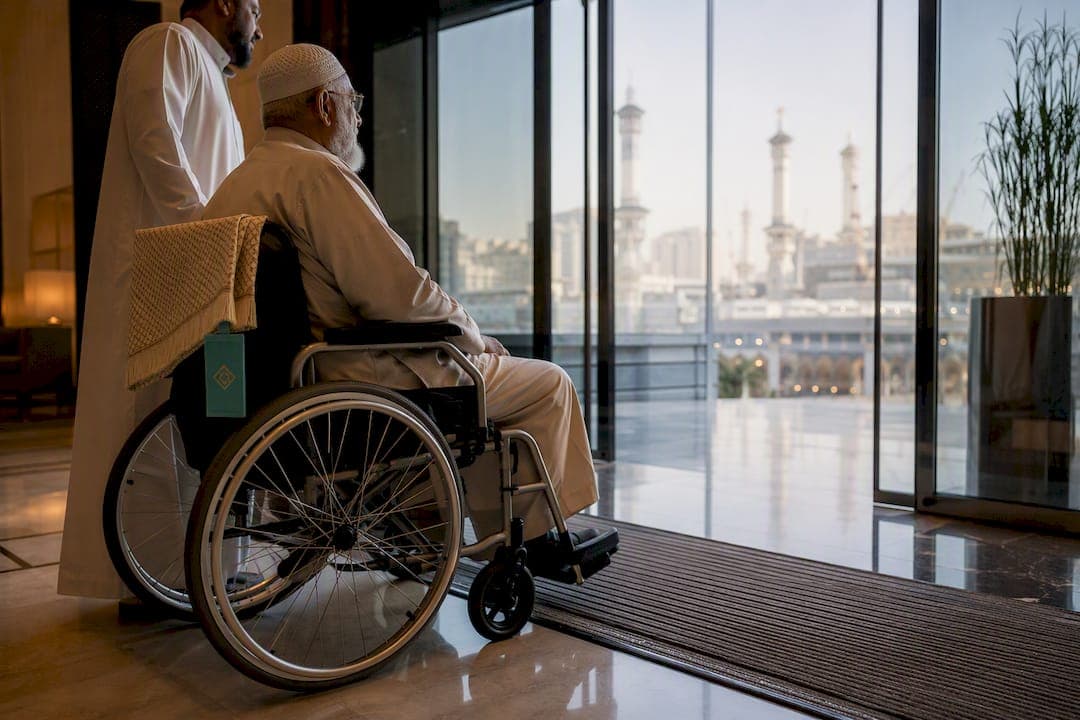
إذا كان والدك لا يزال قادراً على السفر، فإن نجاح الرحلة أو فشلها يعتمد على الترتيبات اللوجستية أكثر بكثير من الالتزام الديني. فإقامة والدك في فندق خمس نجوم يبعد ثلاثة كيلومترات عن الحرم لن يفيده بشيء إذا كان المشي عائداً منهكاً كل ليلة.
قرب الفندق أهم من تقييمه، بلا شك. ابحث عن فنادق تقع على مسافة قصيرة سيراً على الأقدام من الحرم، ويفضل أن تكون مزودة بمصاعد عاملة ومداخل خالية من السلالم من الردهة إلى الغرفة. فالمسافات الأقصر توفر الطاقة اللازمة لوالديك لأداء المناسك نفسها، لا للممرات المؤدية إليها.
قرر استخدام الكرسي المتحرك قبل السفر، وليس بعده. فالحجز المسبق لخدمة الكراسي المتحركة، والتحقق من خدمات الكراسي المتحركة في المساجد، والنظر في استخدام العربات الكهربائية للمسافات الطويلة، يجنبك التوتر في اللحظات الأخيرة. قبول الكرسي المتحرك ليس تنازلاً، بل هو وسيلة تُمكّن والدك من أداء الطواف بكرامة ودون ألم.
من الناحية الطبية:
- تأكد من إعطاء لقاح التهاب السحايا MenACWY قبل 10 أيام على الأقل من الوصول، واحمل الشهادة.
- قم بتعبئة الأدوية مع جدول جرعات واضح، بالإضافة إلى كمية إضافية في حالة حدوث تأخير.
- اشترِ تأمين سفر يغطي حالات الطوارئ الطبية في الخارج.
نصيحة مهمة: ضع برنامجاً لأداء مناسك الحج يومياً خلال اليومين أو الثلاثة أيام الأولى. محاولة أداء الطواف والسعي متتاليين يوم الوصول هي السبب الرئيسي للإرهاق الذي قد يصيب كبار السن من الحجاج.
ترتيب خدمات العمرة البديلة عندما يتعذر على الوالدين السفر
عندما تمنع حالة أحد الوالدين السفر كلياً، تحتاج الأسرة إلى مُعيل يُثبت أداء العمرة. ولأن أداء المناسك لا يكون ممكناً، تُصبح الوثائق أساس الثقة.
- استفسر عن المستندات المطلوبة قبل الدفع. شهادة إتمام موقعة، وختم بالتاريخ والوقت، وصور، وفيديو قصير هي المتطلبات الأساسية، وليست إضافات.
- تأكد أولاً من أن المعتمر قد أتمّ عمرته بنفسه. هذا شرط فقهي متكرر في معظم الأحكام، وينبغي على المعتمر الموثوق به أن يجيب على هذا السؤال دون تردد.
- احصل على شروط الإلغاء والاسترداد مكتوبة. فالتأخيرات واردة، ومن المهم أن تعرف خياراتك قبل حدوث أي مشكلة، لا بعدها.
- انتبه للعلامات التحذيرية: مواعيد تسليم غامضة، أو عدم وجود شخص اتصال محدد، أو التردد في إظهار عينة من الحجوزات السابقة.
- تحقق من الجدول الزمني. عادةً ما يكون مقدم الخدمة الذي يمنحك فترة زمنية واقعية، بدلاً من عبارة "قريباً" المبهمة، أكثر شفافية بشأن طريقة عمله.
توفر الباقات التي تتضمن شهادة وصورًا وفيديو للعائلات سجلًا موثقًا يمكنهم مشاركته مع الأشقاء أو الاحتفاظ به لراحة بالهم.
الاستعداد العاطفي والروحي للآباء والوكلاء
إنّ ترتيب العمرة لأحد الوالدين يحمل في طياته أهمية تتجاوز مجرد الترتيبات اللوجستية. فبالنسبة للوالد، وخاصةً المريض أو المسن، فإنّ معرفة أنّ شخصًا ما يؤدي هذه الشعيرة نيابةً عنه غالبًا ما يمنحه شعورًا بالراحة والطمأنينة، وكأنّ واجبًا لم يُؤدَّ بعد قد تمّ الوفاء به، بينما لا يزال بإمكانه مشاهدة ذلك. تحدث إليهم مباشرةً حول هذا الأمر إن كانوا قادرين على الفهم. دعهم يختارون ما إذا كانوا يرغبون في تلقّي تحديثات أثناء الرحلة أو مجرد معرفة الأخبار بعد انتهائها. بعض الآباء يرغبون في رؤية كل صورة وتفاصيل، بينما يفضّل آخرون مكالمة قصيرة لإبلاغهم بإتمام الأمر. كلا الخيارين طبيعي، والاستفسار مسبقًا يجنّبهم التخمين الخاطئ.
بالنسبة لمن يؤدي الطواف نيابةً عن شخص آخر، يختلف البعد الروحي ولكنه حقيقي. فأنت لا تؤدي الطقوس لمجرد حفظها في سجلّك الشخصي، بل تنوب عن شخص ربّاك، وهذا يُغيّر من شعورك بالنية في كل مرحلة. يجد الكثيرون أنه من المفيد استحضار ذكريات محددة عن والديهم أثناء الطواف، مما يحوّل التكرار المادي إلى شيء أكثر خصوصية من مجرد قائمة واجبات.
إذا توفي أحد الوالدين، فإنّ الجانب العاطفي غالبًا ما يتضمن الحزن إلى جانب التعبد. قد يبدو أداء العمرة باسمه بمثابة وداعٍ، ولكنه قد يُظهر أيضًا مشاعر الفقد بطرق لم تكن تتوقعها أثناء التخطيط. امنح نفسك مساحةً لذلك. ليس من الضروري أداء المناسك بصمتٍ وجلد. إنّ الاقتراب من الكعبة والدموع تملأ عينيك وأنت تفكر في والدك المتوفى ليس تشتيتًا عن النية، بل غالبًا ما يكون هو ما يجعل النية صادقةً وحقيقية.
التحديات الشائعة التي يواجهها الآباء المسنون أثناء أداء العمرة
المشكلة الأكثر شيوعًا ليست في المناسك نفسها، بل في التنقل بينها. فبين الفندق ومداخل الحرم والمسافة حول الكعبة للطواف، غالبًا ما يقلل الحجاج المسنون من تقدير المسافة التي سيقطعونها في يوم واحد. العائلات التي تخطط لذلك مسبقًا، من خلال حجز الكراسي المتحركة مسبقًا أو جداول زمنية يومية أقصر، تتجنب الارتباك الذي يحدث عندما يعجز أحد الوالدين عن إكمال المناسك في منتصف الطريق.
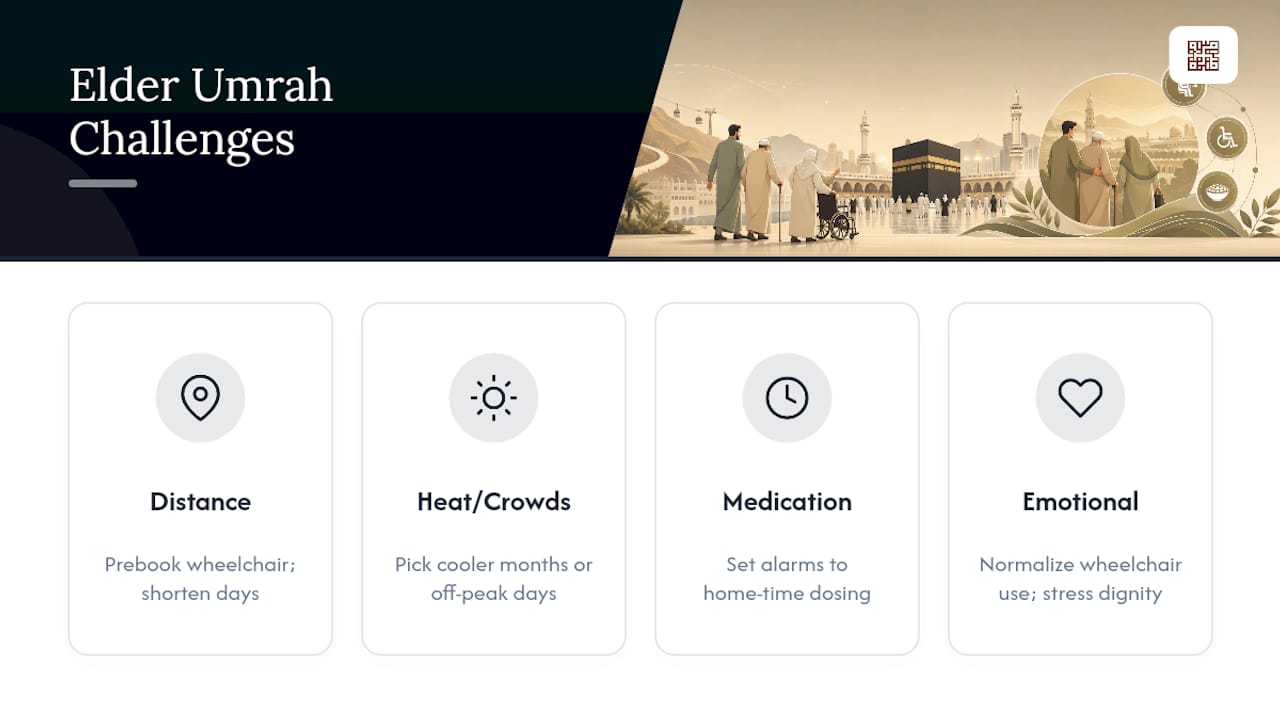
يشكل الحر والازدحام ثاني أكبر عائق أمام أداء العمرة. فالعمرة التي تُؤدى خلال الأشهر الدافئة أو أوقات الذروة تُضيف عبئًا قد لا يلاحظه المسافر الشاب، بينما يشعر به الوالد المسن فورًا. وعندما يكون للعائلة مرونة في اختيار التوقيت، فإن اختيار الأشهر الباردة أو الأيام غير المزدحمة يُخفف هذا العبء بشكل كبير. أما إذا كان التوقيت ثابتًا، فإن تخصيص فترات راحة مظللة وشرب الماء على مدار اليوم يصبح أمرًا لا غنى عنه.
تُعدّ إدارة الأدوية تحديًا أقل وضوحًا ولكنه لا يقلّ أهمية. فتغيير المناطق الزمنية، واضطراب النوم، وحداثة البيئة المحيطة، كلها عوامل تُخلّ بالروتين الذي يُحافظ على استقرار الحالات المزمنة في المنزل. لذا، يُساعد ضبط منبهات الهاتف وفقًا لجدول الوالدين المنزلي، بدلًا من التوقيت المحلي، على ضمان انتظام الجرعات.
وأخيرًا، هناك الأثر النفسي للعجز الجسدي نفسه. فالوالد الذي يرغب في أداء جميع مناسك العمرة بنفسه ولكنه لا يستطيع ذلك دون مساعدة قد يشعر بالإحباط أو الحرج. إن اعتبار استخدام الكرسي المتحرك والالتزام بجدول زمني محدد جزءًا طبيعيًا من العمرة، وليس إخفاقات، لا يقل أهمية عن الترتيبات العملية نفسها. فالهدف هو أداء العمرة كاملةً وبصحة، مع الحفاظ على أكبر قدر من الكرامة التي تسمح بها الظروف.
ما هي الهدايا أو التذكارات التي يجب إحضارها للوالدين؟
إن إحضار شيء ما بعد أداء العمرة نيابة عن أحد الوالدين، أو بعد رحلتك الخاصة إذا سافروا معك، هو لفتة ذات مغزى، ولكن ينبغي أن تظل بسيطة ومتجذرة في الهدف بدلاً من كونها استعراضاً.
ماء زمزم هو الهدية الأكثر قيمةً والأكثر رسوخاً في الذاكرة، والتي يتوقعها معظم الآباء. زجاجة صغيرة تحمل اسم زمزم لها قيمة أكبر من هدية تذكارية فاخرة، وهي شيء يمكنهم استخدامه بطريقة ترتبط ارتباطاً وثيقاً بالحج.
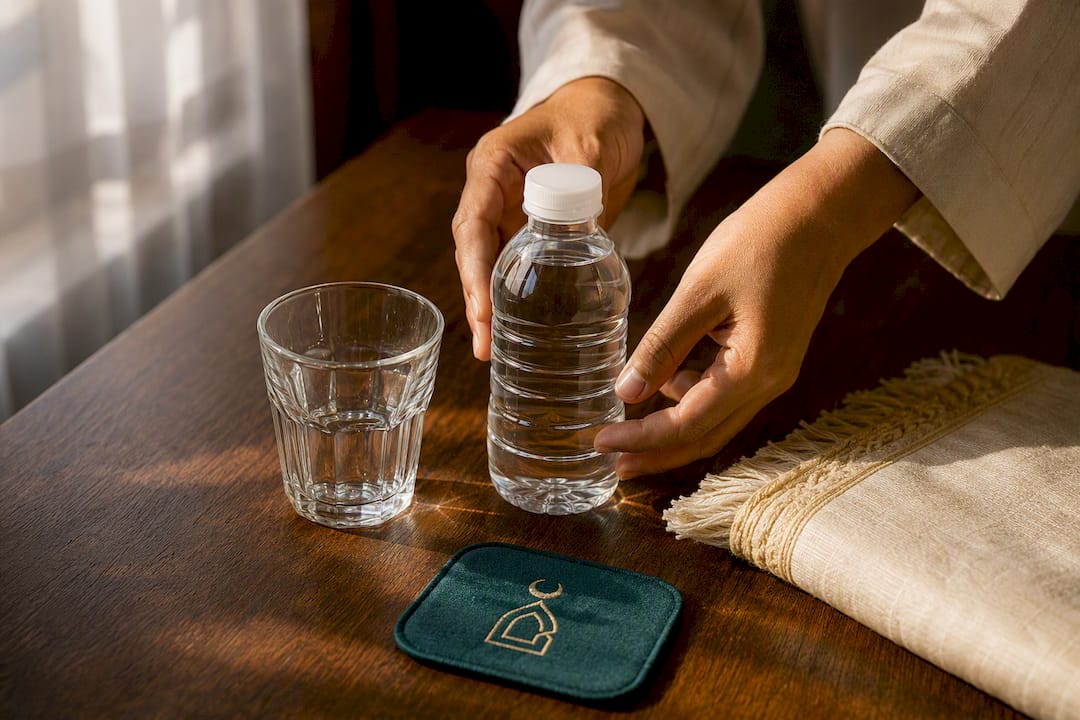
تُعدّ التمور من المدينة المنورة ، وخاصة تمر العجوة، هدية تقليدية ذات دلالة دينية عميقة. كما أنها سهلة الحمل وتُشكّل خياراً عملياً ومريحاً إذا كنتَ تُراعي قيود الأمتعة.
إن سجادة الصلاة أو المسبحة التي يتم شراؤها بالقرب من الحرم تحمل قيمة عاطفية تحديداً بسبب المكان الذي تم شراؤها منه، على الرغم من توفر سلع مماثلة تقريباً في أماكن أخرى.
تجنب المبالغة في تكلفة الهدية أو إسرافها. فالهدف من الهدية بعد أداء هذا النوع من العمرة ليس إبهار الوالدين، بل منحهم شيئًا ملموسًا يربطهم بشعيرة أُقيمت باسمهم، خاصةً إذا لم يتمكنوا من مشاهدتها بأنفسهم. غالبًا ما يكون لوصف موجز لما مررت به، أو شهادة إتمام العمرة مع صور من مُقدّم خدمة البدل، قيمة أكبر لدى الوالدين من أي هدية مادية يمكنك حملها معك إلى المنزل.
وجهة نظر المؤلف: الموازنة بين الإخلاص والرعاية العملية
غالباً ما يكون دافع العائلات التي تُرتّب العمرة لأحد الوالدين هو الحبّ وإتمام واجبٍ لم يُؤدَّ. لكن ما يُغفل عنه هو أن الراحة واليقين ليسا منفصلين عن الأجر الروحي، بل هما أساسه. فبرنامجٌ مُستعجل يُرهق الوالد المُسنّ، أو حجزٌ مُبهمٌ دون دليلٍ يُثبته، يُقوّض النية الحقيقية وراء هذا الجهد. التخطيط المُحكم ليس مُشتّتاً عن العبادة، بل هو ما يُتيح لها أن تُؤتي ثمارها.
— أنس
كيف تساعدك بادرة في ترتيب العمرة لوالديك
صُممت بعض الخدمات خصيصاً للحالات التي يتعذر فيها على أحد الوالدين السفر، حيث تحتاج العائلات إلى دليل على أداء العمرة بشكل صحيح، وليس مجرد وعد. غالباً ما تتضمن باقات الخدمات وثائق مصممة لسد فجوة الثقة التي تنشأ عند تكليف شخص ما بأداء العمرة دون أن يشهدها بنفسه.
تختلف باقات العمرة بشكل أساسي في مستوى الأدلة المطلوبة. فإذا كانت الشهادة الموقعة والتأكيد كافيين لعائلتكم، فإن باقة "بدال" الأساسية تغطي ذلك. أما إذا كنتم ترغبون في صور مع الشهادة، فإن باقة "نور" تضيف هذه الميزة. وللعائلات التي ترغب في الحصول على صورة كاملة، بما في ذلك الفيديو الكامل والبث المباشر، يمكنها اختيار باقة "بركة بريميوم". ويشترط على جميع المؤدين إتمام العمرة أولاً، وفقاً لشروط الفقه المذكورة سابقاً في هذا الدليل.
قبل الحجز، جهّز اسم والديك، وسبب طلب البدل، وأي وثائق موافقة. تصفّح باقات العمرة الكاملة لمقارنة مستويات الإثبات، أو راجع قسم الأسئلة الشائعة للاطلاع على إجابات لأسئلة محددة حول التوقيت والتوصيل.
مصادر
فيما يخص الجانب الطبي للسفر، يتناول دليل الكتاب الأصفر الصادر عن مراكز السيطرة على الأمراض والوقاية منها (CDC) بشأن الحج والعمرة مواعيد التطعيم بالتفصيل. أما من الناحية الفقهية، فيوضح حكم موقع إسلام سؤال وجواب (IslamQA) بشأن عمرة الأب المتوفى، وفتوى موقع إسلام ويب (Islamweb) بشأن عمرة الوالدين، الأسس العلمية التي استند إليها هذا المقال. وللحصول على تفاصيل إجرائية حول شروط الأهلية، يُفصّل دليل "بدائل العمرة" (Badalumrah) حول من يحق له طلب عمرة بديلة الشروط المذكورة أعلاه.
- مركز السيطرة على الأمراض والوقاية منها - المملكة العربية السعودية: الحج والعمرة (الكتاب الأصفر)
- إسلام سؤال وجواب - يريد أداء العمرة نيابة عن نفسه وعن والده المتوفى
- إسلام ويب - أداء العمرة نيابة عن الوالدين (فتوى)