- gender rules badal umrah
- who can do badal umrah
- gender rules for badal umrah
- women performing badal umrah
- who can receive badal umrah
- how to perform badal umrah
- gender roles in umrah
- badal umrah for relatives
- umrah cultural practices
- badal umrah rules
Badal Umrah Gender Rules: Who May Be a Proxy and How
Published on Sep 11, 2026
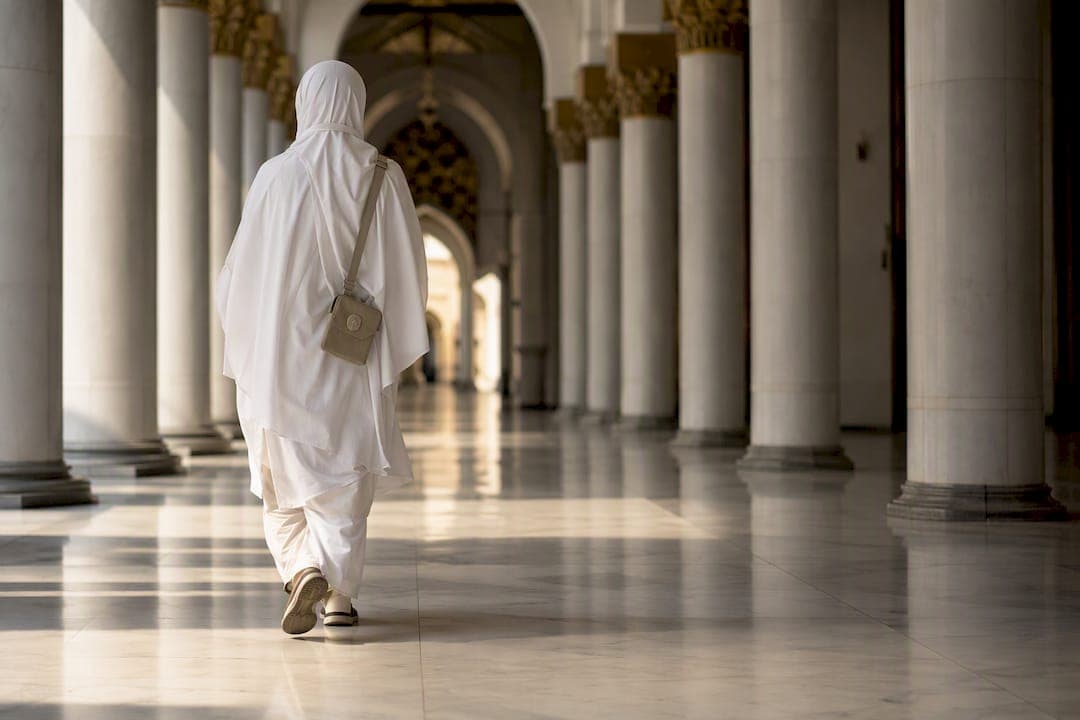
Badal Umrah Gender Rules: Who May Be a Proxy and How
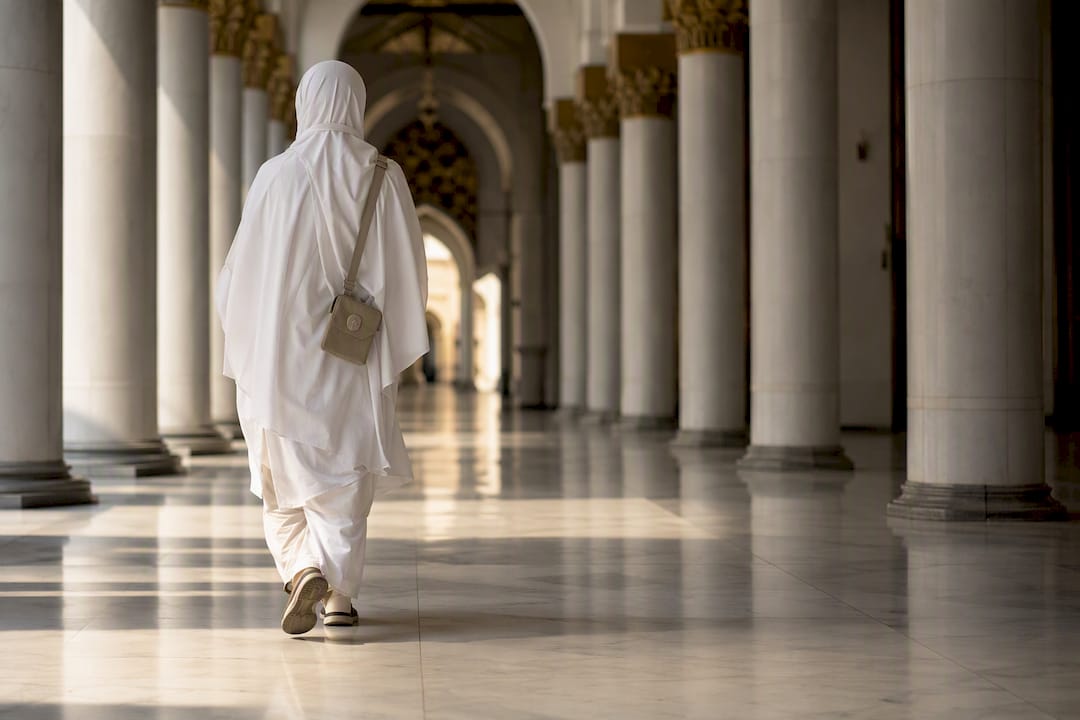
Performing Umrah on behalf of someone else, known as Umrah Badal, is permitted by mainstream scholars when the recipient is deceased, permanently incapacitated, or too old or ill to travel. Gender does not normally disqualify a proxy, but ritual details and madhhab positions can shift how the arrangement should be handled. Before authorizing anyone, confirm the recipient’s consent (or an heir’s authorization), and always request documented proof once the rites are complete.
TL;DR:
- A proxy performing Umrah Badal for someone who has died, is severely ill, or is incapacitated must have explicit consent from the recipient or heirs and provide documented proof of completion.
- Gender does not legally restrict who can serve as a proxy, but families often prefer matching genders for cultural comfort, and a qualified proxy must understand the rites and intend correctly.
- Completing a valid Badal Umrah requires clear documentation, explicit niyyah naming the recipient, and verification that the proxy is physically capable and familiar with the rituals.
- Ritual differences based on gender affect clothing and hair-cutting practices but do not disqualify women from acting as proxies, even during menstruation, as long as timing and purity requirements are met.
- Variations among scholarly schools on issues like whether the proxy must have performed their own Umrah first or the phrasing of intention exist, but core permissibility remains widely accepted across Sunni schools.
Table of Contents
- What Is Umrah Badal, and When Is It Allowed?
- Who Can Be a Proxy? Gender Rules and Eligibility
- Conditions That Make a Badal Umrah Valid
- Gender-Sensitive Ritual Differences Every Proxy Should Know
- Madhhab Differences: Where Scholars Disagree
- How to Arrange Badal Umrah Step by Step
- How We Handle Gender-Responsive Badal Umrah Requests
- Ready to Arrange a Badal Umrah?
- Sources
- FAQ
What Is Umrah Badal, and When Is It Allowed?
Umrah Badal (or Umrah al-Badal) is a substitute pilgrimage, one person performing the rites while dedicating the reward to another. The concept borrows from the same logic behind Hajj Badal, where scholars have long accepted that acts of worship tied to physical ability can be delegated when the original person genuinely cannot fulfill them.
Not everyone qualifies as a recipient. The practice is meant for specific situations, not general convenience:
- A person who has died without having performed an obligatory Umrah.
- Someone permanently incapacitated by disability or advanced age.
- A person suffering a chronic illness that makes travel medically unsafe.
Scholarly discussion recognizes Umrah Badal as permissible for these categories, provided the intention and performer conditions are met. What it isn’t meant for: temporary inability, a busy schedule, or simply not wanting to travel. Those situations call for waiting until the person can go themselves, not hiring a proxy.
Who Can Be a Proxy? Gender Rules and Eligibility
The performer matters as much as the recipient. A proxy needs to meet a short list of qualifications before anyone hands over money or authorization:
- Muslim and of sound mind. The performer must understand what they’re doing and why.
- Physically capable of completing the walking, standing, and travel involved.
- Familiar with the rites so nothing is skipped or performed incorrectly.
- Willing to make the correct niyyah (intention) naming the specific person being represented.
On the gender question specifically: mainstream fiqh does not require a same-gender proxy. A woman can perform Umrah Badal on behalf of a deceased father, and a man can perform it for a deceased mother or grandmother. The rites themselves, the tawaf, sa’i, and prayers, are gender neutral in obligation, even though some execution details differ (more on that below).
That said, many families prefer to match the proxy’s gender to the recipient’s, largely for comfort and cultural familiarity rather than religious necessity. Non-relatives can also serve as proxies, which is exactly how paid Badal Umrah services function, as long as there’s clear written authorization and the performer is someone whose reliability can be verified.
Pro Tip: If you’re arranging Badal Umrah through a service rather than a family member, ask specifically whether you can request a female performer for a female recipient. Reputable providers accommodate this when staffing allows.
Conditions That Make a Badal Umrah Valid
A proxy performance can go wrong in ways that have nothing to do with the physical rites. Getting the paperwork and intention right matters just as much as walking the tawaf correctly.
For a living person, the individual must personally authorize the arrangement. Nobody, not even a spouse or adult child, can unilaterally send a proxy on someone’s behalf without consent, since the whole point is standing in for someone who is currently unable rather than unwilling.
For a deceased person, heirs typically arrange it, often as a form of ongoing charity (sadaqah) tied to fulfilling an unmet religious obligation.
A few practical safeguards to insist on:
- Some schools of thought prefer that the performer has already completed their own obligatory Umrah before doing one for someone else.
- The niyyah must explicitly name the person being represented, not a vague general intention.
- Keep a written record: full name of the recipient, relationship, date arranged, and performer identification.
Gender-Sensitive Ritual Differences Every Proxy Should Know
This is where gender actually changes the mechanics of the rite, not the permissibility of proxying, but the execution.
- Ihram clothing differs by gender. Men wear the two-piece unstitched garment; women wear ordinary modest clothing, with no special ihram dress required.
- Exiting ihram works differently too. Manasik guidance from Nusuk confirms women perform taqsir, cutting a small amount of hair, roughly one to two centimeters, while men may either shave completely or cut.
- Menstruation affects timing but not eligibility to serve as proxy. A woman who would be menstruating during travel can still complete most rites; only tawaf requires a state of purity, so scheduling adjustments matter more than disqualification.
Female ritual guides, known as muthowwifah, have become increasingly central to handling these details well. A 2026 academic study found that female pilgrims now make up roughly 55% of Umrah pilgrims, and it specifically recommends expanding female guide representation to meet gender-specific needs like menstruation-related fiqh questions and general comfort during the rites. If you’re arranging a proxy for a female recipient, ask whether a female guide is available to support the performer through those specific moments.
Madhhab Differences: Where Scholars Disagree
Most of the core permissibility question is settled across Sunni schools. The disagreements that remain are narrower, but they can matter for your specific case.
- Whether the performer must have completed their own Umrah first. Some readings within the Shafi’i and Hanbali schools lean toward requiring this, while Hanafi positions tend to be more permissive about performers acting for others even without having completed their own obligation.
- How strictly niyyah wording is evaluated. Some scholars want the intention explicitly verbalized; others accept it as a purely internal, unspoken commitment as long as it’s genuinely there.
- Acceptable proof standards. Views vary on how much documentation is religiously necessary versus simply good practice for accountability.
None of these differences touch the core question of gender eligibility. If you’re unsure which position applies to your family’s practice, the simplest approach is to follow whichever school your family or community typically defers to, or default to the more cautious reading when in doubt.
How to Arrange Badal Umrah Step by Step
Getting this right comes down to sequencing and documentation, not complicated ritual knowledge.
- Choose your proxy and confirm their eligibility (sound mind, physically capable, familiar with the rites).
- Get written authorization. For a living recipient, this comes directly from them. For a deceased person, it comes from the heir arranging it.
- Provide full identifying details: the recipient’s full name, relationship to the person authorizing it, and whether they are living or deceased.
- State the niyyah explicitly, naming the recipient by name rather than using vague general language.
- Request proof of completion: a certificate, photos, or video showing the rites were carried out. Practical service descriptions show that documentation like this has become a standard expectation, not a luxury add-on.
Pro Tip: Treat vague confirmations as a red flag. If a provider won’t name the performer, give a completion date, or offer any visual proof, ask again before paying, or take your booking elsewhere.
How We Handle Gender-Responsive Badal Umrah Requests
Service providers often document bookings with certificates, photos, and video so families have proof the rites were completed, not just a confirmation email. When a family requests a same-gender performer for a female recipient, providers may accommodate that based on staffing availability. Guidance generally follows recognized scholarly positions on Badal Umrah, though madhhab-specific questions still deserve a conversation with a trusted scholar before booking.
— anas
Ready to Arrange a Badal Umrah?
If you’ve confirmed the conditions and gathered consent, the next step is picking a package that matches how much proof you want on record. The Umrah Badal Noor Package covers a certificate plus photos and video for families who want solid documentation without the highest tier.
For families who want the fullest picture, the Umrah Badal Barakah Premium Package adds live viewing on top of the certificate, photos, and full video, useful when several relatives want to witness the rites as they happen rather than review footage afterward. You can compare every tier on the full package listing, and if a question about consent, authorization wording, or gender-specific arrangements comes up mid-booking, our FAQ page covers the operational details most families ask about. One honest note before you book: if your family follows a specific madhhab position on performer prerequisites, confirm that detail with your own scholar first. We handle the ritual and the proof; the fiqh judgment calls that vary by school are yours to make with someone you trust.
Sources
The permissibility framework in this article draws on scholarly rulings on performing Umrah for someone else, which lays out the core conditions and performer qualifications. Ritual mechanics, including ihram dress and hair cutting differences, come from official manasik guidance on Nusuk. Visa and mahram policy details reference the Ministry of Hajj and Umrah’s current rules, and the statistic on female pilgrim representation comes from a 2026 academic study on gender perspectives in Umrah guidance.
- Umrah FAQs: Answers to All Your Pilgrimage Questions
- Umrah manasik and rituals — Nusuk
- Can I Perform Umrah for Someone Else? Rulings and Evidence - Duaa Guides
- Gender perspective on Umrah guides — Journal article (DOI)
FAQ
Can a woman perform Badal Umrah for a man, or vice versa?
Yes. Mainstream fiqh does not require the proxy and recipient to share the same gender, though families often prefer matching genders for comfort and cultural familiarity.
What are the rules for men during Umrah rites?
Men wear the two-piece unstitched ihram garment and exit ihram by either shaving the head completely or cutting the hair, unlike women who only trim a small portion.
What are the rules for Umrah for women specifically?
Women wear ordinary modest clothing instead of special ihram garments, exit ihram through taqsir (a small hair trim), and as of the Ministry of Hajj and Umrah’s 2021 policy change, women 18 and older can apply for an Umrah visa without a male guardian, though some madhhab positions on unaccompanied travel still vary.
Are there new Umrah rules for 2026?
No major structural changes to Badal Umrah eligibility have been introduced; the core conditions around consent, performer qualification, and proof of completion remain consistent with established scholarly guidance.
Does menstruation disqualify a woman from serving as a Badal Umrah proxy?
No. Menstruation affects the timing of tawaf specifically since it requires ritual purity, but it does not disqualify a woman from serving as a proxy or completing the overall pilgrimage on someone’s behalf.