- umrah för skuldtyngd person
- umrah support for struggling individuals
- debt management and umrah
- help for financially burdened pilgrims
- umrah pilgrimage on a budget
- how to perform umrah with debts
- financial assistance for umrah
- debt relief through umrah
- affordable spiritual journeys
- spiritual retreat for debtors
Umrah för skuldtyngda släktingar: Dokumenterad Badal i dagar eller veckor
Publicerad den 4 sep. 2026
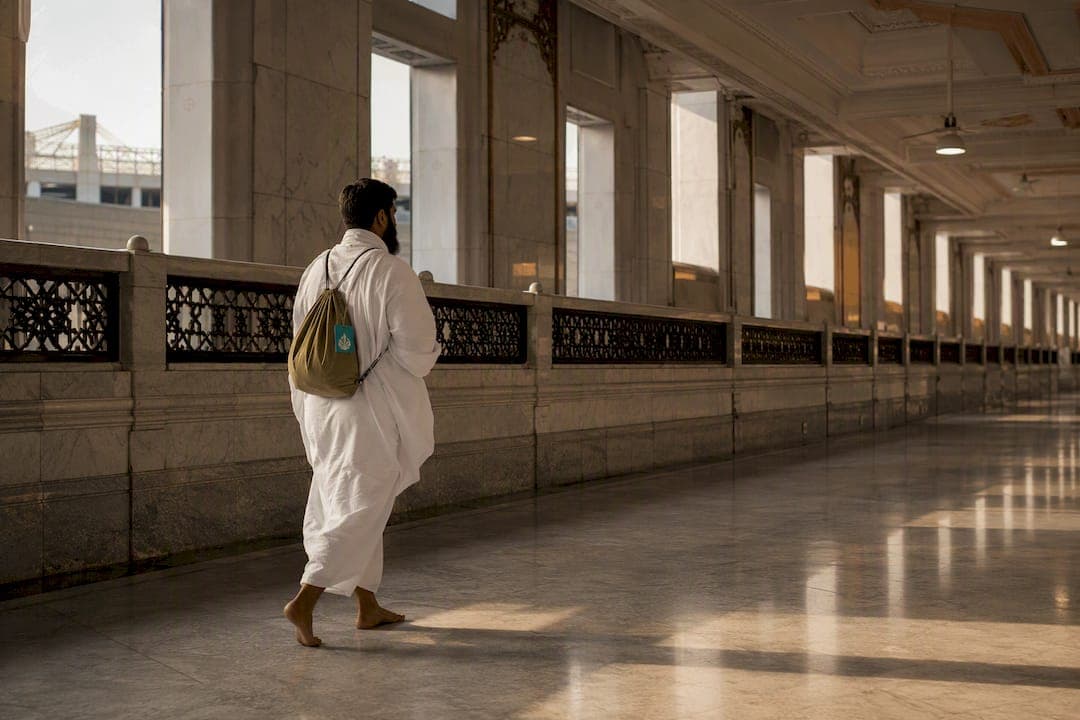
Umrah för skuldtyngda släktingar: Dokumenterad Badal i dagar eller veckor
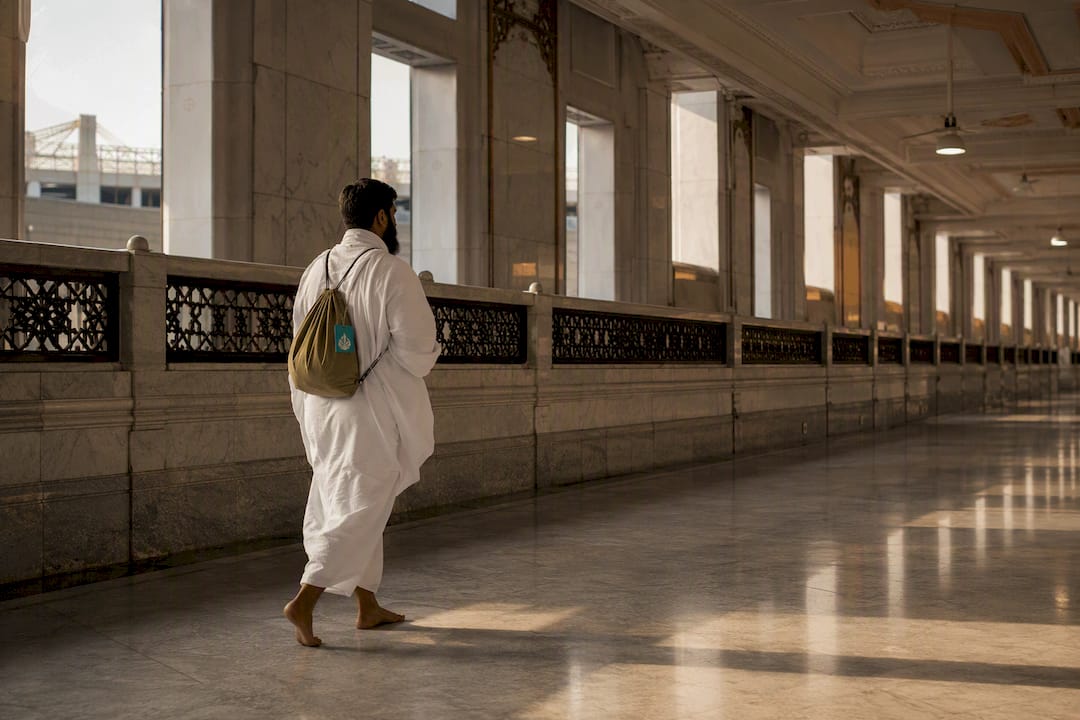
Badal Umrah är rätt alternativ när en närstående inte kan resa på grund av dödsfall eller permanent arbetsoförmåga som hög ålder, funktionsnedsättning eller allvarlig kronisk sjukdom. Skuld i sig är annorlunda. Ekonomiska svårigheter kvalificerar i allmänhet inte en levande person för ombuds-Umrah, även om det öppnar dörren för sponsring, välgörenhetsvägar och familjestöd. Den här guiden behandlar behörighet, hur man bokar en ombudstjänst på distans, vilka bevis man kan förvänta sig och typiska kostnader.
TL;DR:
- Proxy Umrah är endast giltigt för någon som har avlidit eller är permanent oförmögen att resa på grund av allvarlig sjukdom, ålder eller funktionsnedsättning, inte för tillfälliga ekonomiska svårigheter.
- Att arrangera en Badal Umrah på distans kräver tydlig bekräftelse på behörighet, uttryckligt samtycke eller deras auktorisation och pålitliga tjänsteleverantörer som levererar certifierade bevis, foton eller videor.
- Korrekt dokumentation efter slutförandet inkluderar ett certifikat, tidsstämplade foton och korta videor, med livebekräftelse tillgänglig i paket av högre nivå.
- Familjemedlemmar bör separera skuldbetalning från den religiösa skyldigheten, eftersom skulder inte ogiltigförklarar Umrah men påverkar prioriteringen av ekonomiska åtaganden.
- Genuint förtroende för leverantörer innebär att bekräfta tydligt samtycke, mottagarens namn på dokument, tydliga tidslinjer och återbetalningspolicyer innan bokning.
Innehållsförteckning
- Vem kvalificerar sig för Umrah för en skuldtyngd person
- Hur arrangerar man Badal Umrah på distans?
- Vilken information behöver tjänsten från dig?
- Vilka bevis bör du förvänta dig efter avslutad examen?
- Kostnader och betalningsalternativ för ekonomiskt ansträngda familjer
- Påverkar skuldsättning Umrahs religiösa ställning?
- Böner om skuldsanering under en ersättnings-Umrah
- Hantera skulder medan du planerar en närståendes Umrah
- Hantera den känslomässiga tyngden av skulder och en närståendes Umrah
- Vår syn på att boka en pålitlig Badal Umrah-tjänst
- Redo att boka en Badal Umrah? Här är det praktiska nästa steget
- Källor
Vem kvalificerar sig för Umrah för en skuldtyngd person
Ställföreträdande Umrah existerar i två situationer: någon har avlidit, eller någon är permanent oförmögen att resa på grund av allvarlig sjukdom, hög ålder eller varaktig funktionsnedsättning. Det är den uppfattning som genomsyrar de flesta islamiska riktlinjer i ämnet. En person som helt enkelt har ont om pengar just nu, men fysiskt kapabel att så småningom spara och resa, passar inte in i någon av kategorierna på egen hand.
Denna distinktion är viktig eftersom den formar vad "umrah för en skuldtyngd person" faktiskt betyder i praktiken. Forskare är i stort sett överens om att uttryckligt samtycke krävs när mottagaren lever , och ekonomisk oförmåga ensam tillåter i allmänhet inte en ersättningspilgrimsfärd för en levande person. Arvingar eller nära familj kan ge fullmakt till att utföra Umrah för någon som har avlidit, eftersom samtycket uppenbarligen inte kan komma direkt från den avlidne.
Den person som utför pilgrimsfärden för någon annans räkning, känd som ombud eller wakil, måste också uppfylla några villkor:
- Måste vara muslim, vid sina sinnens fulla bruk och fysiskt kapabel att utföra ritualerna korrekt.
- Många forskare rekommenderar att ombudet redan har utfört sin egen Umrah innan de gör en för någon annan, även om åsikterna om detta varierar beroende på tankeskola.
- Måste vara någon som familjen eller den som begär det rimligen kan lita på kommer att genomföra ritualerna korrekt och ärligt.
Proffstips: Om du är osäker på om din familjemedlems situation kvalificerar som "permanent arbetsoförmåga" kontra ett tillfälligt ekonomiskt bakslag, fråga en lokal forskare eller kontrollera en detaljerad översikt över beslutet innan du bokar. Att göra detta rätt skyddar den andliga avsikten bakom hela arrangemanget.
Hur arrangerar man Badal Umrah på distans?
Att boka en ersättnings-Umrah från ett annat land är enklare än de flesta familjer förväntar sig, förutsatt att man är förberedd. Processen brukar delas upp i fyra steg.
- Bekräfta först behörighet och samtycke. Se till att situationen passar (avliden eller permanent arbetsoförmögen) och, för en levande person, få deras uttryckliga klartecken skriftligen eller muntligt med ett vittne.
- Välj ett paket. Leverantörer erbjuder vanligtvis nivåer som sträcker sig från ett grundläggande certifikat till fullständiga foto-, video- och livebekräftelsepaket.
- Skicka in mottagarens uppgifter. Detta inkluderar det fullständiga juridiska namnet för avsikten (niyyah), om de är i livet eller avlidna, och eventuella auktoriseringsdokument om du agerar på uppdrag av ett dödsbo.
- Betala och bekräfta. Slutför betalningen via en säker metod och vänta sedan på en bokningsbekräftelse som anger mottagarens namn och en beräknad slutförandeperiod.
Innan du binder dig till en leverantör, gå igenom en kort checklista:
- Förklarar tjänsten tydligt vilka bevis du kommer att få och när?
- Kan du hitta en meritlista, recensioner eller verifierbar historik för leverantören?
- Är priserna angivna i förväg utan vaga "kontakta oss för en offert"-regler?
- Svarar de tydligt och snabbt när du ställer frågor innan du betalar?
De flesta leverantörer genomför själva pilgrimsfärden inom några dagar till ett par veckor efter bekräftad bokning, beroende på paketets hastighet och aktuell efterfrågan i Mecka. Om du vill ha bevis levererat live eller nära realtid, fråga specifikt om det alternativet. Det inkluderar inte alla paket, och att bekräfta denna detalj i förväg sparar dig ett frustrerande uppföljningsmejl senare. För en längre genomgång av mekaniken täcker en steg-för-steg-guide för Badal Umrah hela sekvensen mer ingående.
Vilken information behöver tjänsten från dig?
En välrenommerad leverantör kommer att be om specifika detaljer innan bokning, och var och en har en religiös eller praktisk anledning bakom sig.
- Mottagarens fullständiga namn , formaterat så som det ska visas i avsikten. Ombudet reciterar en niyyah som namnger mottagaren när det anger Ihram, med formuleringar som "Nawaitul 'umrata 'an fulanin", vilket betyder "Jag avser Umrah å [namn] vägnar".
- Status: levande eller avliden. Detta förändrar hur samtycke hanteras och ibland hur själva avsikten formuleras.
- Samtycke eller fullmakt. Levande mottagare måste bekräfta att de har samtyckt till detta. För en avliden person tillhandahåller arvingarna vanligtvis fullmakten istället.
- Kontaktinformation för bekräftelseuppdateringar och leverans av bevis när pilgrimsfärden är avslutad.
Inget av detta är ovanligt pappersarbete. Det är det minimum som behövs för att säkerställa att rätt person namnges i avsikten och att den som arrangerar det faktiskt har rätt att göra det.
Vilka bevis bör du förvänta dig efter avslutad examen?
En trovärdig leverantör ger dig något konkret att hålla fast vid, inte bara ett sms som säger "det är klart". Standardbevis inkluderar ett intyg som namnger mottagaren, tidsstämplade foton och korta videoklipp som visar tawaf och sa'i när de slutförs. Vissa paket på högre nivå lägger till bekräftelse live eller nästan live när ritualerna äger rum.
Denna dokumentation är inte bara till för sinnesro. Namngivna intyg och korta videoklipp minskar religiös osäkerhet för familjer och sparas ofta som en del av dödsbo- eller familjeregister, särskilt när Umrah utfördes för någon som har avlidit.
Var uppmärksam på varningssignaler innan du betalar:
- Stock- eller generiska foton som kan tillhöra vem som helst.
- Vagt språk om ”slutförande” utan datum, namn eller detaljer.
- En leverantör som tvekar eller vägrar att ange mottagarens namn på certifikatet.
Kostnader och betalningsalternativ för ekonomiskt ansträngda familjer
Paketpriserna anpassas vanligtvis till mängden bevis som ingår. En nivå med endast certifikat kostar mindre än en nivå som innehåller foton, video och liveuppdateringar, och denna nivåindelade struktur är vanlig i hela branschen. Fråga om återbetalningspolicyer och vad som händer om en bokning inte kan slutföras som utlovat innan du skickar betalning.
Typiska paketstrukturer inkluderar:
- Grundnivå: intyg om färdigställande, minimala tillägg.
- Mellannivå: certifikat plus foton och kort video.
- Premiumnivå: certifikat, foton, fullständig video och bekräftelse i realtid eller nästan i realtid.
Betala via säkra, spårbara metoder och var försiktig med leverantörer som ber om kontantöverföringar utan faktura eller kvitto.
Om familjemedlemmen du arrangerar detta för har verkliga ekonomiska svårigheter, kom ihåg att Badal Umrah är en separat handling från skuldåterbetalning, inte en ersättning för den. För levande släktingar som har det svårt ekonomiskt är det ofta bättre att sponsra sin egen resa än en ombudspilgrimsfärd. Insamlingar till samhället, stöd som är berättigat till zakat eller att familjesammanslagningar är alla legitima sätt att hjälpa någon att komma dit själv när hindret är rent ekonomiskt snarare än fysiskt oförmåga.
Påverkar skuldsättning Umrahs religiösa ställning?
Skuld i sig ogiltigförklarar inte någons Umrah, oavsett om den utförs personligen eller genom ombud. Det som påverkar är prioritet. Islamisk vägledning behandlar konsekvent återbetalning av det du är skyldig andra människor som en skyldighet som i allmänhet kommer före valfria eller till och med halvt obligatoriska handlingar av dyrkan som involverar resor och utgifter.
Det är just därför ombudsavtal är viktiga här. Om din familjemedlem är skuldsatt och fysiskt oförmögen att resa ändå på grund av sjukdom eller ålder, undviker Badal Umrah spänningen helt. Någon annan utför pilgrimsfärden för deras räkning medan de fokuserar på sina faktiska ekonomiska skyldigheter hemma. Ingen spenderar pengar de behöver för skuldbetalning på en resa de kanske inte har kunnat genomföra själva oavsett skulden.
Där familjer ibland gör fel är att anta att skulder i sig är ett villkor för en ställföreträdande Umrah. Det är det inte. Skulderna och resebegränsningen är två separata frågor. En person kan vara skuldfri och fortfarande kvalificera sig för Badal Umrah på grund av sjukdom. Eller så kan en person ha stora skulder och fortfarande förväntas delta personligen om ingenting fysiskt hindrar dem från att resa när ekonomin tillåter. Att arrangera den ersättande pilgrimsfärden är viktigast när båda villkoren överlappar: verklig oförmåga att resa, i kombination med ekonomiska påfrestningar som gör självständiga resor orealistiska även efter tillfrisknande.
Böner om skuldsanering under en ersättnings-Umrah
Många familjer ber specifikt ombudet att be (dua) om skuldlättnad för den person som Umrah utförs för, särskilt under tillfällen som anses andligt betydelsefulla, såsom vid Kaba eller under de sista omgångarna av tawaf.
En vanlig bön om skuldsanering ber om tillräcklighet från det som är lagligt istället för det som är olagligt, och rikedom från Allahs gåva istället för beroende av andra. Familjer ber ofta ombudet att recitera något i stil med detta medan de namnger personen de ber för i sitt hjärta, samtidigt som de fullbordar de fysiska ritualerna.
Det är värt att sätta realistiska förväntningar här. Bönen är en andlig begäran, inte en ekonomisk mekanism. Den raderar inte ett lånebelopp eller förhandlar med en borgenär. Vad den gör, enligt hur många familjer beskriver metoden, är att erbjuda emotionell och andlig grund under en verkligt stressig period; ett sätt att hålla fast vid hoppet samtidigt som man gör det praktiska arbetet med att hantera själva skulden.
Om du arrangerar Umrah för någon som fortfarande lever och som har ekonomiska problem (utöver den person som Badal Umrah faktiskt utförs för), överväg att be ombudet att inkludera en allmän dua för att underlätta utförandet och undvika svårigheter. Detta är en vanlig och välkommen begäran bland leverantörer som förstår den känslomässiga tyngd familjer bär när de bokar dessa tjänster.
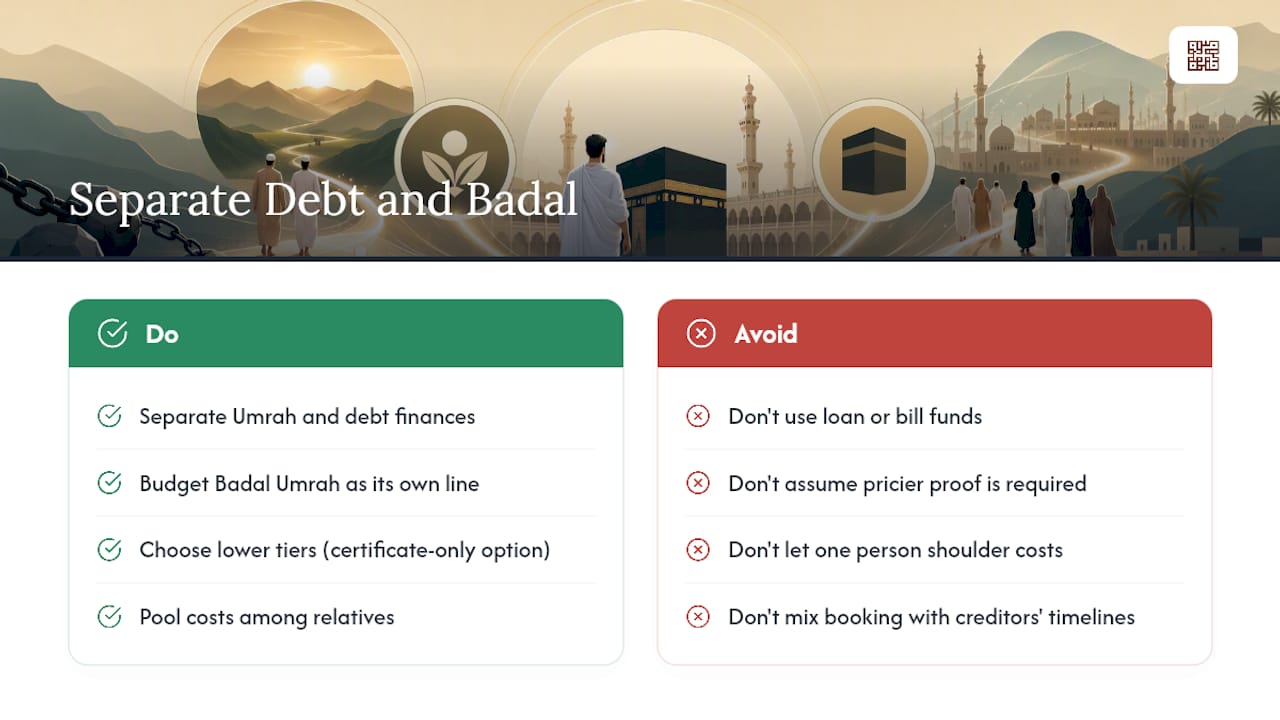
Hantera skulder medan du planerar en närståendes Umrah
Att arrangera en Badal Umrah för en familjemedlem sker sällan isolerat. Ofta är det en del av en större ekonomisk bild som inkluderar medicinska räkningar, lånebetalningar eller arvsärenden om personen har gått bort. Att hantera båda samtidigt kräver en avsiktlig ordningsföljd.
Börja med att tydligt skilja de två ekonomiska spåren åt. Återbetalning av skulder, särskilt skulder till andra personer, har en annan prioritet än frivilliga utgifter. Budgetera för Badal Umrah-paketet som en egen post, med medel som avsatts specifikt för detta ändamål snarare än att ta pengar från pengar som öronmärkts för lånebetalningar eller räkningar.
Om kostnaden känns för hög, titta först på de lägre paketnivåerna. Ett alternativ med endast certifikat eller certifikat plus foton uppfyller fortfarande det religiösa kravet och ger verkliga bevis, utan den extra kostnaden för livebekräftelse eller premiumvideopaket. Det finns inget religiöst krav som säger att dyrare bevis är lika med mer giltig Umrah.
Familjedelning är vanligt och praktiskt här. Att flera syskon eller släktingar delar på kostnaden för ett Badal Umrah-paket är ett normalt arrangemang, och det innebär också att den andliga äran och familjeengagemanget delas snarare än att det hamnar på en persons axlar och en persons budget.
Om den familjemedlem som behöver skuldsanering är densamma som är arbetsoförmögen, och Badal Umrah begärs för deras räkning, håll deras skuldsituation helt separat från bokningsbeslutet. Deras fordringsägare och återbetalningsplaner fortsätter enligt deras egen tidsram. Umrah-arrangemanget adresserar en religiös skyldighet som de inte längre kan uppfylla själva, inte en ekonomisk.
Hantera den känslomässiga tyngden av skulder och en närståendes Umrah
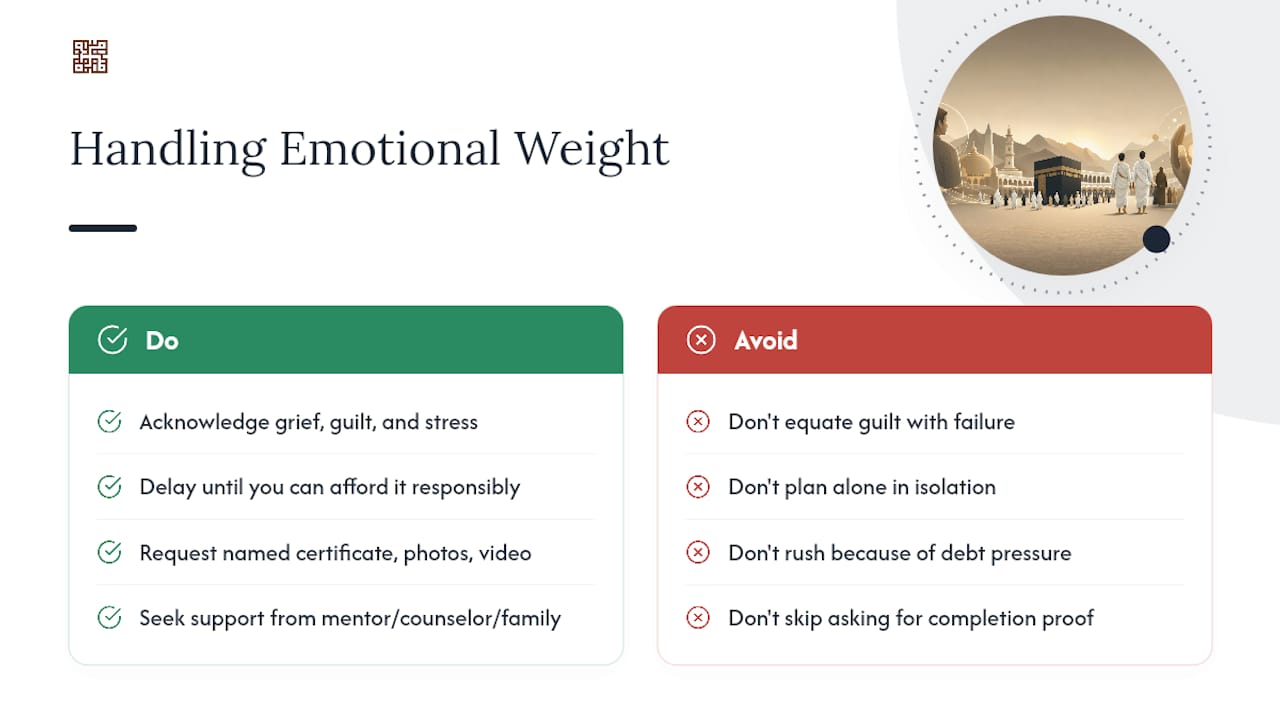
Att ordna en ersättnings-Umrah för någon som är allvarligt sjuk, åldrande eller har gått bort är sällan bara en logistisk uppgift. Det är oftast förenat med sorg, skuld eller ekonomisk stress, ibland alla tre på en gång. Att inse det i förväg gör processen lättare att genomföra.
Skuldkänslor dyker ofta upp i dessa situationer, särskilt bland familjemedlemmar som känner att de borde ha ordnat detta tidigare, eller som hanterar sina egna skulder samtidigt som de försöker betala för någon annans Badal Umrah. Den skuldkänslan är vanlig, men den återspeglar inte verkligheten. Ekonomiska begränsningar är verkliga, och att skjuta upp ett arrangemang tills man faktiskt har råd med det på ett ansvarsfullt sätt är inte ett andligt misslyckande.
För familjer som hanterar detta efter ett dödsfall ger det ofta en påtaglig känsla av avslut att få ett bevis på att det är slutfört, ett namngivet intyg, riktiga foton eller en kort video. Flera familjemedlemmar har beskrivit ögonblicket att se intyget med den närståendes namn på som oväntat känslosamt, mer än de hade förväntat sig inför processen.
Om skulder är en del av det som tynger dig personligen medan du ordnar detta för någon annan, hjälper det att prata med någon, oavsett om det är en betrodd religiös mentor, en ekonomisk rådgivare eller helt enkelt en familjemedlem som förstår både de religiösa och ekonomiska sidorna av det du har att göra med. Du behöver inte bära planeringen, sorgen och den ekonomiska pressen isolerat. Att söka stöd, praktiskt eller emotionellt, är en del av att hantera detta väl.
Vår syn på att boka en pålitlig Badal Umrah-tjänst
Badalumrah arbetar specifikt inom religiösa och andliga tjänster , med fokus på att underlätta Umrah som utförs för någons räkning när de fysiskt inte kan delta själva. Det fokuset är viktigt. Detta är inte en generell resebyrå som kör på en religiös tjänst; det är hela syftet med plattformen, med dokumentation, foton, videor och namngivna certifikat inbyggda i själva paketen.
Innan du betalar någon för den här tjänsten, gå igenom en kort mental checklista: Har du ett tydligt samtycke om mottagaren lever? Kommer certifikatet att namnge den faktiska mottagaren? Finns det en angiven tidslinje för slutförande? Vad händer om något går fel, finns det en återbetalningspolicy? En leverantör som svarar på alla fyra utan att tveka är värd att lita på med något så personligt.
— anas
Redo att boka en Badal Umrah? Här är det praktiska nästa steget
Badalumrah erbjuder nivåpaket byggda kring exakt de bevisaspekter som den här guiden täcker: alternativ med endast certifikat för enklare budgetar, mellannivåpaket med foton och video, och premiumalternativ som Umrah Badal Barakah Premium-paketet med fullständig video och livebekräftelse.
Om du har bekräftat mottagarens behörighet, oavsett om de har avlidit eller är permanent oförmögna att resa, och säkrat samtycke eller arvtagarens godkännande vid behov, är nästa steg enkelt. Bläddra bland hela Umrah-paketsamlingen för att jämföra vad varje nivå innehåller, skicka sedan in mottagarens uppgifter för avsikten och slutför en säker bokning. Frågor om samtycke, tidslinjer eller dokumentation innan du binder dig? FAQ-sidan täcker de detaljer som de flesta familjer frågar om först, och support finns tillgänglig om din situation inte passar in i ett standardfall.
Källor
- Kan jag utföra Umrah för någon annan? | Allt du behöver veta | Pilgrim
- Vad är Badal Umrah? Avsikt, krav och procedur
- Kan jag utföra Umrah för någon annan? Regler och bevis - Duaa-guider