- fördelarna med umrah för avlidna
- umrah for deceased
- umrah for deceased cost
- umrah donations for the deceased
- significance of umrah for departed
- can you perform umrah for the dead
- spiritual benefits of umrah for dead
- is umrah valid for the deceased
- umrah in memory of loved ones
- the process of umrah for deceased
5 steg till dokumenterad Umrah för avlidna nära och kära i Mecka
Publicerad den 5 sep. 2026
5 steg till dokumenterad Umrah för avlidna nära och kära i Mecka
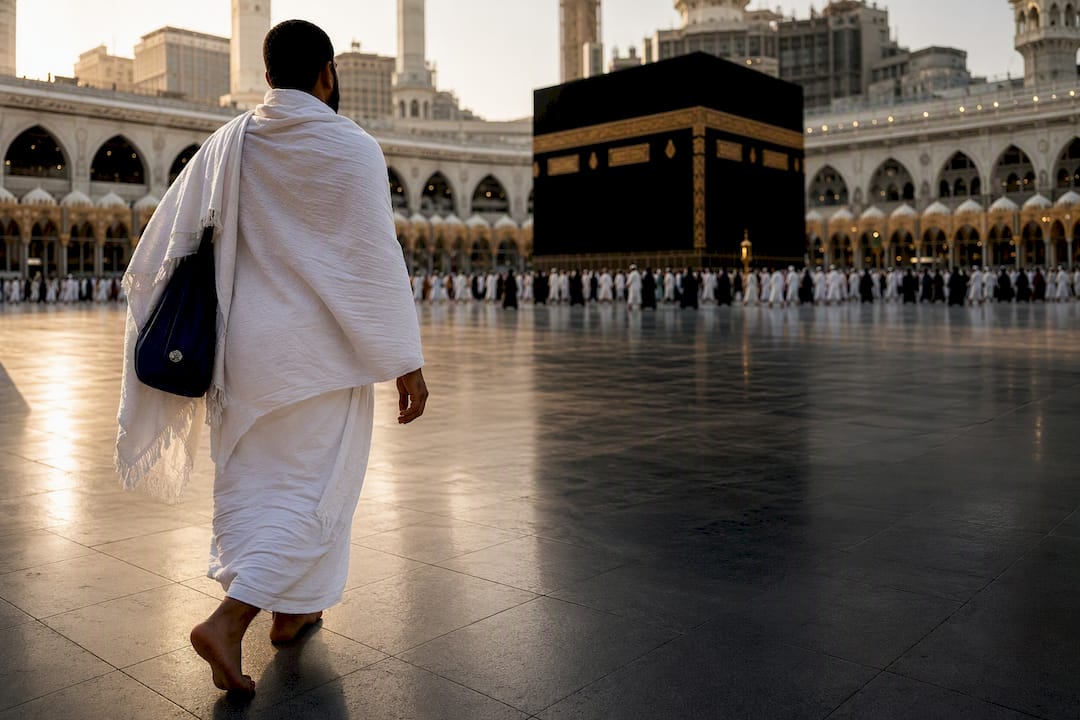
Ja, att utföra Umrah för en avliden person är tillåtet inom islam, och det står på solid vetenskaplig grund. Kärnvillkoren är enkla: utföraren måste vara en sund, vuxen muslim som redan har fullbordat sin egen Umrah, och de måste uttryckligen ange en avsikt (niyyah) genom att namnge den avlidne innan de går in i ihram. Allt annat, från att välja en ställföreträdare till att hantera flera avlidna släktingar, handlar om detaljer.
TL;DR:
- Att utföra Umrah Badal kräver att en person tidigare har fullbordat sin egen Umrah och uttryckligen avser att göra det å den avlidnes vägnar före ihram.
- Varje avliden person måste ha en separat Umrah med en förnyad ihram och intention, eftersom kombinationen av flera till en ogiltigförklarar handlingen.
- En levande förmånstagare får inte själv kunna utföra Umrah eller ge tydligt tillstånd för någon annan att agera för dennes räkning.
- Pålitliga ställföreträdare bör ha genomfört sin egen Umrah, kan inte utföra arbete på underleverantörer utan att avslöja information, och tillhandahålla verifierbara bevis på utförande.
- Dokumentation som intyg, foton eller videor är avgörande för familjer utomlands för att verifiera att ritualerna utfördes korrekt.
Innehållsförteckning
- Vad är Umrah Badal, och varför arrangerar familjer det?
- Vad säger lärda och fatwor om denna praxis?
- Vem kan utföra Badal Umrah, och vilka är villkoren?
- Hur utförs Umrah på uppdrag av en avliden person, steg för steg?
- Hur väljer man en pålitlig biträdande assistent?
- Varför dokumentation förändrar allt för familjer utomlands
- Boka en dokumenterad Badal Umrah med sinnesro
- Var du kan kontrollera dessa beslut själv
- Källor
Vad är Umrah Badal, och varför arrangerar familjer det?
Umrah Badal betyder helt enkelt en ersättnings-Umrah, där en person utför pilgrimsfärdsritualerna för en annan person som inte kan göra det själv. Denna sedvänja kan spåras tillbaka till rapporter från profetens tid, då ställföreträdande Hajj och Umrah tilläts för människor som var för gamla, för sjuka eller redan avlidna för att själva resa till Mecka. Forskare har fört detta föregångarsätt vidare i århundraden och behandlat det som en etablerad form av fortsatt välgörenhet för de döda.
Familjer vänder sig vanligtvis till det av en av två anledningar. Antingen har en släkting gått bort utan att ha fullföljt en obligatorisk eller avsedd Umrah, eller så är en levande förälder eller mor- eller farförälder för skör för att resa. I båda fallen är målet detsamma: överföra belöningen för ritualerna till någon som inte längre kan förtjäna den själv. Du kan läsa mer bakgrund om vad Badal Umrah innebär i islamisk praxis om konceptet är nytt för dig.
Vad säger lärda och fatwor om denna praxis?
De vetenskapliga uppgifterna om detta är ovanligt konsekventa för ett ämne som berör pengar, död och delegerad dyrkan på en och samma gång. Badal Umrah har länge validerats genom hadithexempel och juridiska resonemang, med ett återkommande villkor: den ställföreträdande måste redan ha utfört Umrah för sig själv innan han utför den för någon annan.
IslamWebs fatwa i ämnet lägger till ett lager som de flesta missar. Den bekräftar att flera Umrah som utförs för olika personer räknas separat snarare än att blandas samman till en kollektiv handling, och den ställer strängare villkor när mottagaren fortfarande lever. En levande person kan bara få Umrah utförd för sig om de verkligen inte kan göra det själv, eller om de har gett tydligt tillstånd.
Samma fatwakälla noterar något som är värt att behålla: du'a och fortsatt välgörenhet har en särskild vikt i hadithlitteraturen om gärningar som fortsätter att gynna de döda. Umrah Badal är giltig och givande, men det är inte den enda, eller nödvändigtvis den högsta, formen av hågkomst.
I praktiken innebär denna konsensus:
- En avliden muslim kan få Umrah utförd för sin räkning utan begränsningar.
- Utövaren behöver först personlig Umrah-erfarenhet.
- En levande förmånstagare behöver oförmåga eller uttryckligt samtycke innan någon annan utför det åt denne.
- Fortsatt välgörenhet och bön förblir värdefulla vid sidan av, inte istället för, Badal Umrah.
Vem kan utföra Badal Umrah, och vilka är villkoren?
Innan någon bokar en ställföreträdare eller går ombord på ett flyg är det bra att gå igenom en kort checklista. Forskare är i allmänhet överens om följande grundlinje för en giltig Badal Umrah:
- Artisten måste vara en vuxen, sund muslim.
- Utövaren bör redan ha genomfört sin egen Umrah innan den gör den för någon annan.
- En tydlig, talad eller mental avsikt att namnge den specifika avlidne personen krävs i början av ihram.
- Varje avliden person behöver en separat Umrah med sin egen niyyah. En Umrah kan inte omfatta två personer samtidigt.
- Om förmånstagaren lever måste denne antingen vara oförmögen att utföra arbetet själv eller ha gett sitt uttryckliga tillstånd.
Den sista punkten om flera avlidna ställer människor till det reta mer än någon annan. Hanafi-vägledningen är specifik här : samma person kan utföra flera Umrah för flera avlidna släktingar, en efter en, men de måste förnya ihram och upprepa sin avsikt varje gång. Att kombinera två personer under en enda niyyah ogiltigförklarar den andra. För en mer fullständig sammanställning av vem som är kvalificerad att begära eller utföra detta för någons räkning, se den här guiden till behöriga begärare och utförare.
Proffstips: Innan du betalar någon, fråga dem direkt: ”Kommer du att utföra denna Umrah själv, och kommer du att bekräfta skriftligen att du inte kommer att lämna över den till någon annan utan att berätta för mig?” Ett rakt svar på den frågan filtrerar bort de flesta skurkar innan pengar byter ägare.
Hur utförs Umrah på uppdrag av en avliden person, steg för steg?
Riterna i sig förändras inte när de utförs för någon annan. Endast avsikten bakom dem förändras. Här är sekvensen som en ställföreträdare följer:
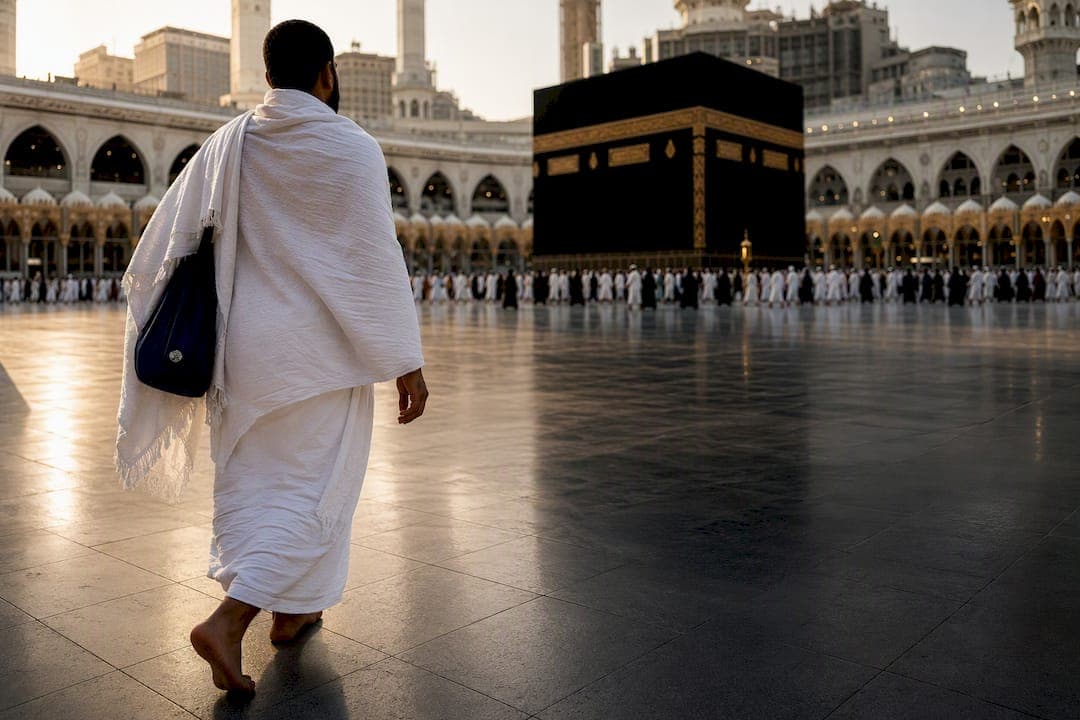
- Gå in i ihram med korrekt niyyah. Innan utföraren korsar gränsen (miqat) uttrycker hen en avsikt att namnge den avlidne, något i stil med: " Allahumma inni uridu al-Umrata fa Assyria li wa taqabbalha mini 'an [den avlidnes namn] ", vilket betyder "O Allah, jag har för avsikt att utföra Umrah, så gör det enkelt för mig och acceptera det från mig å [namn] vägnar."
- Utför tawaf. Sju varv runt Kaba, samma sak som en personlig Umrah.
- Utför sa'i. Sju passager mellan Safa- och Marwas kullar.
- Trimma eller raka håret. Detta avslutar ritualerna och avslutar ihram.
- Upprepa med en ny intention för varje ytterligare avliden person. Ihram måste förnyas och en ny niyyah måste anges innan man börjar om.
Ingenting i de fysiska ritualerna förändras för en ställföreträdande Umrah. Avsikten är den enda variabeln, och det är just därför lärda behandlar den så noggrant.
Tidpunkten spelar roll i praktiken, även om den inte ändrar giltigheten. Att utföra Umrah under Ramadan eller de heliga månaderna medför ökad belöning i islamisk tradition, så många familjer försöker schemalägga Badal Umrah runt dessa fönster. Om du eller en ställföreträdare reser personligen snarare än att utse någon som redan är i Mecka, måste logistik som visum, transport och boende ordnas i god tid före högsäsong, då både flyg och hotellrum fylls snabbt. En steg-för-steg-genomgång av hela Badal Umrah-processen är värd att läsa innan du bestämmer dig för ett datum.
Hur väljer man en pålitlig biträdande assistent?
Det är här saker och ting oftast går fel, och det har ingenting att göra med själva ritualerna. Det handlar om vem du betalar och vad de faktiskt gör med dina pengar.
Ställ dessa frågor direkt till alla potentiella ställföreträdare eller tjänstemän:
- Har du personligen genomfört din egen Umrah förut?
- Kommer du att utföra denna Umrah själv, eller kommer det att läggas ut på någon annan?
- Vilka bevis kommer jag att få: foton, video, ett skriftligt intyg?
- Vad är er policy för återbetalning eller omköp om något går fel?
IslamQA är tydlig med risken här : det finns inget fel med att betala någon för att utföra Umrah för den avlidne, men klienten måste välja en rättfärdig, kunnig ställföreträdare och undvika situationer där den personen omdelegerar uppgiften utan att berätta för dig. En välkänd forskare går längre och varnar för att en mellanhand som tar betalt och sedan i tysthet lägger ut själva Umrah på entreprenad till en lägre betald utförare kan begå olaglig vinning om klienten trodde att mellanhanden skulle utföra den personligen.
Verkliga avgiftsintervall varierar beroende på region och servicenivå. En offentlig utredning om IslamQA citerade en Mecka-baserad praxis som tar ut en avgift plus en överföringskostnad per delegerad Umrah, vilket illustrerar ett typiskt marknadsarrangemang. Dokumentera allt: en skriftlig avsiktsförklaring, ett kvitto och eventuellt foto- eller videobevis som utföraren lämnar tillbaka. Om en ställföreträdare tvekar att tillhandahålla något av detta, behandla det som en varningsflagga snarare än ett misstag.
Varför dokumentation förändrar allt för familjer utomlands
De flesta familjer som arrangerar Umrah Badal får aldrig se ritualerna äga rum. De litar på att en främling, ofta i ett annat land, utför något djupt personligt för deras räkning. Det är just den tillitsbristen som gör att det går fel, oavsett om det är genom vaga svar, meddelanden som inte besvaras eller tyst omdelegering som ingen gick med på.
Vissa tjänsteleverantörer åtgärdar problemet genom att inkludera dokumenterade bevis på slutförande, certifikat, foton och video så att familjer inte behöver lita på någons ord. Dokumentationen överensstämmer med fatwakällor som rekommenderar att man väljer en ställföreträdare som man kan verifiera, inte bara "hopp är ärligt". Vissa plattformar avsätter också en del av vinsten för att stödja hjälpinsatser i Gaza, vilket kopplar transaktionen till bredare välgörenhetsändamål snarare än att behandla den som en ren kommersiell utbyte.
— anas
Boka en dokumenterad Badal Umrah med sinnesro
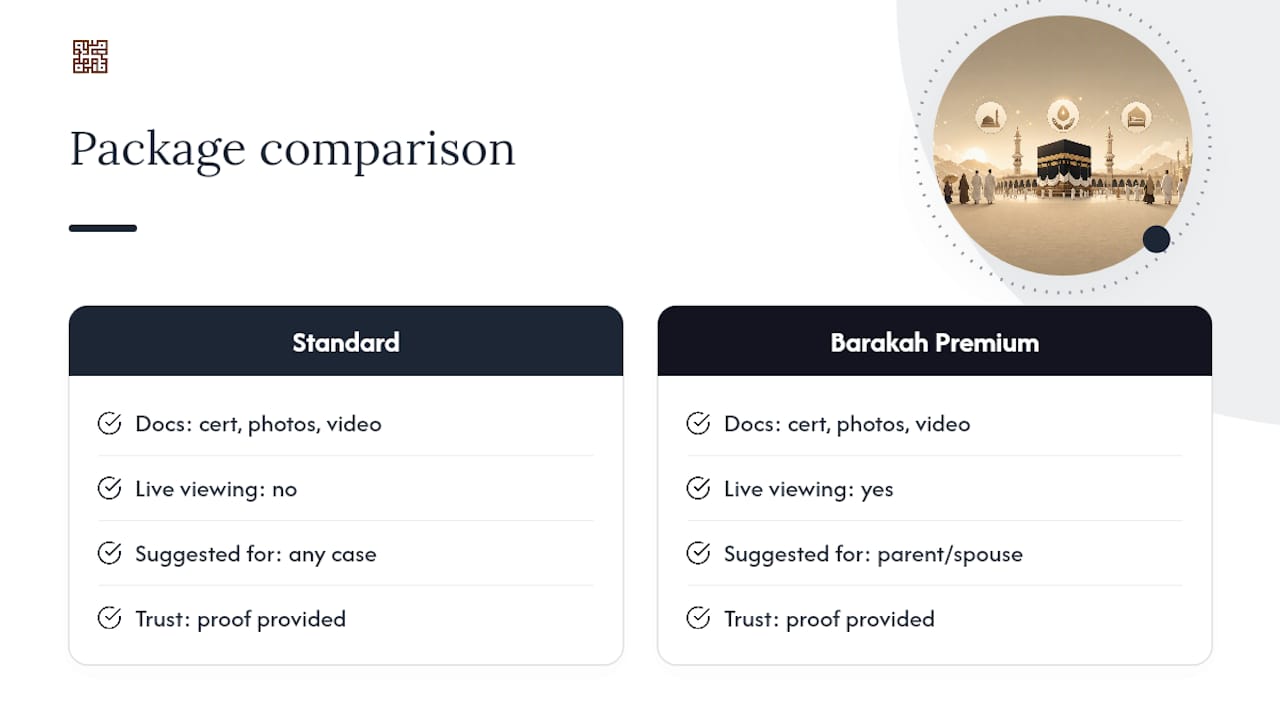
Om checklistan ovan känns som mycket arbete att göra själv, strävar vissa tjänster efter att täppa till det gapet genom att tillhandahålla certifikat, foton och fullständig videodokumentation inbyggt i sina paket från början istället för att kräva att kunderna jagar frilansande ställföreträdare för bevis eller oroar sig för omdelegering.
Paketen sträcker sig från enklare alternativ till Umrah Badal Barakah Premium-paketet, som lägger till ett alternativ för livevisning utöver certifikat, foton och fullständig video. Om du arrangerar detta för en förälder, mor- eller farförälder eller make/maka som har gått bort, kan du genom att bläddra bland hela utbudet av Umrah-paket se exakt vilken dokumentation och prisnivå som passar din situation. Familjer som hanterar dödsbo- eller arvsärenden i samband med en närståendes bortgång kan också finna att denna guide till muslimska arvsregler är användbar i den bredare processen.
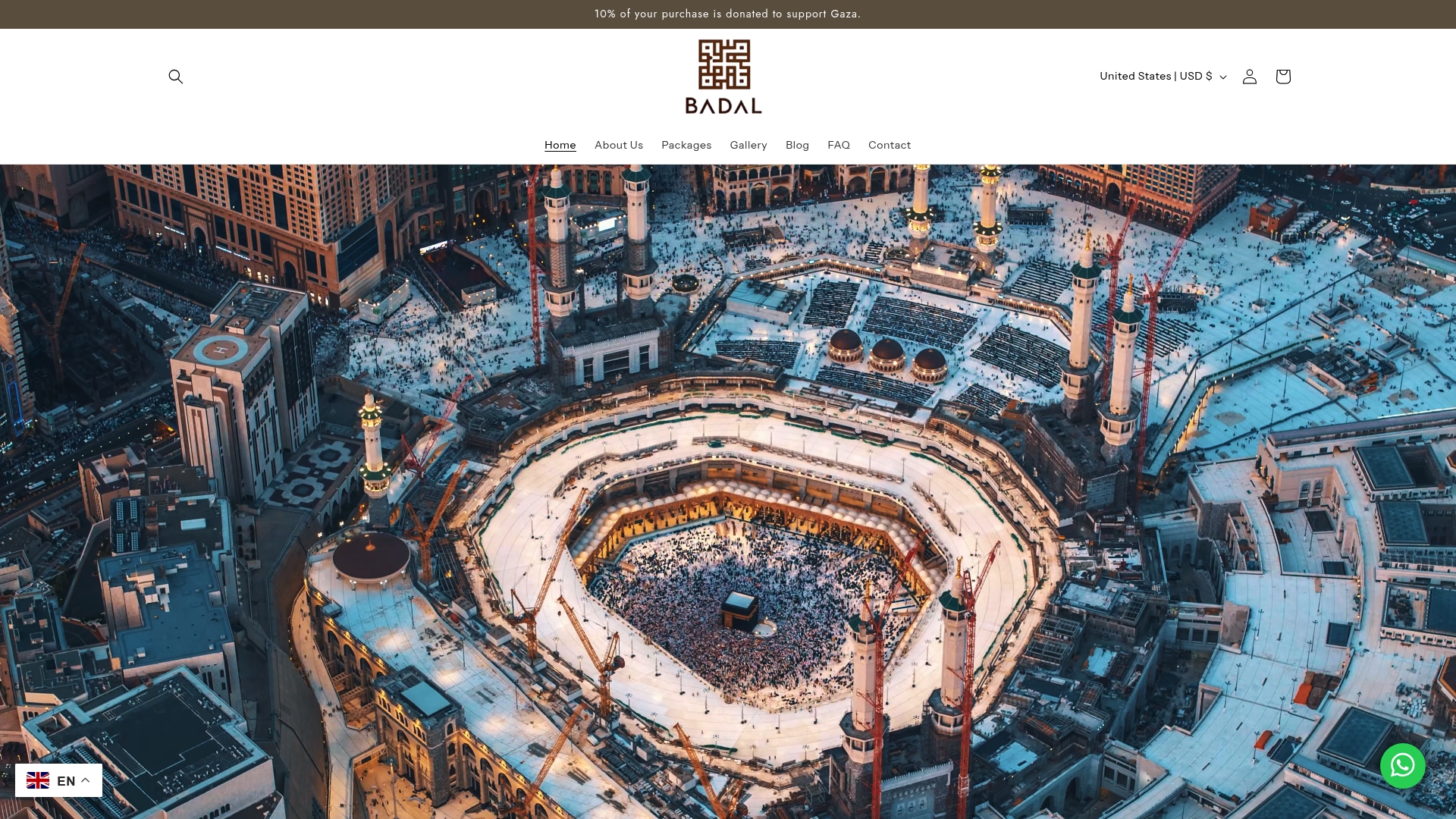
Varje bokning tar direkt upp de förtroendefrågor som tidigare nämnts: ingen tyst omdelegering, tydliga bevis returneras till dig och support tillgänglig om du har frågor före eller efter bokningen. Börja med att besöka Badal Umrahs hemsida för att jämföra paket, eller kolla FAQ-sidan om du vill ha svar på specifika procedurfrågor innan du binder dig.
Var du kan kontrollera dessa beslut själv
Att läsa de primära fatworna direkt är värt de extra tio minuterna, särskilt i en så personlig fråga.
- IslamQA behandlar delegeringsregler och varningar om vidaredelegering med specifika exempel på avgifter.
- IslamWeb förtydligar hur flera Umrah räknas separat och anger villkor för levande förmånstagare.
- SeekersGuidance redogör för Hanafis ståndpunkt om att utföra Umrah för mer än en avliden person.
- UMS (Muhammadiyah) erbjuder en bredare juridisk syn på Badal Umrahs tillåtlighet.
Jämför dessa mot varandra, särskilt där fiqh-skolor skiljer sig åt i procedurmässiga detaljer, innan du fattar ditt eget beslut.
Källor
- Kan man ge någon i uppdrag att utföra Umrah för en avliden person? - IslamQA
- Att göra 'Umrah för de levande och de avlidna - IslamWeb
- Kan en Umra utföras för två avlidnas räkning? - SeekersGuidance