- sharia compliance badal umrah
Badal Umrah: Saudi Fatwas, Eligibility and Proof Before You Pay
Published on Oct 17, 2026
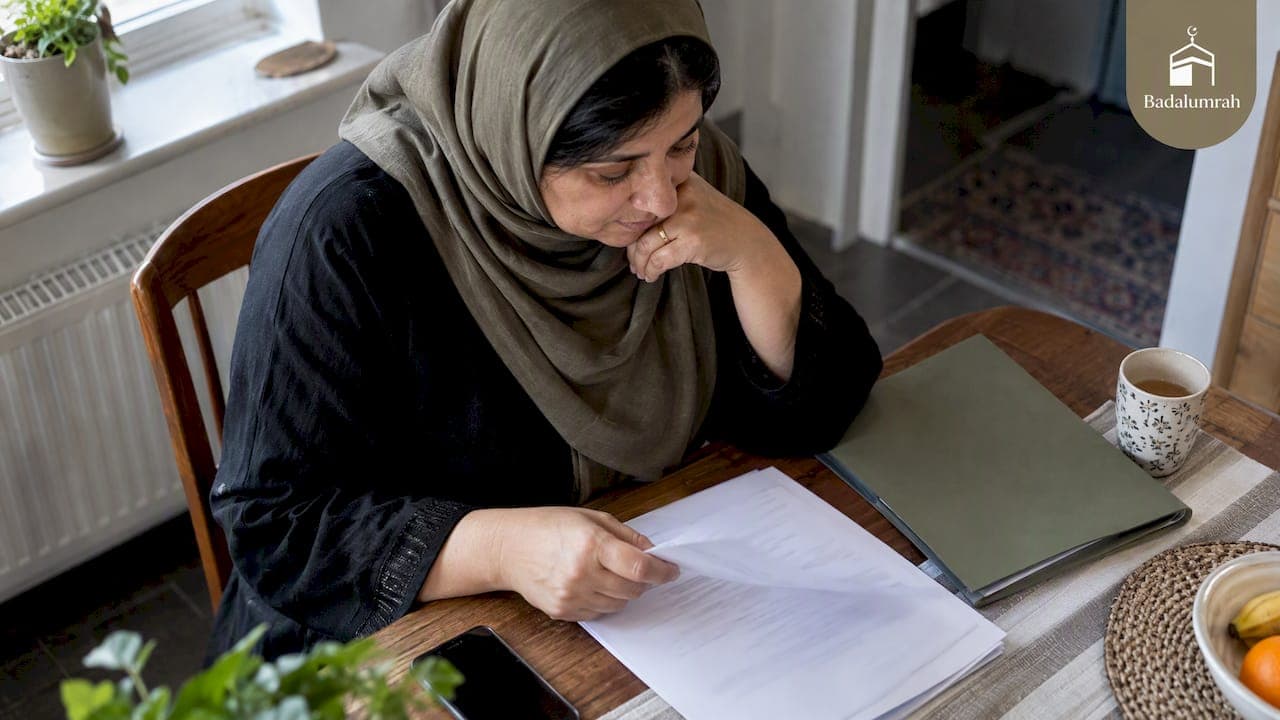

Badal Umrah is permitted when the beneficiary is deceased or permanently unable to travel, and it is not valid for a healthy, able person. Three conditions carry the ruling: the beneficiary falls into one of those two categories, the proxy states a clear niyyah (intention) for that person, and the proxy has already completed his own obligatory pilgrimage and does not treat the rite as a profit-making trade. Scholarly rulings back this position.
TL;DR:
- A temporary obstacle such as work, a missing travel companion, or paperwork does not qualify; financial hardship alone also does not establish permanent inability.
- The proxy should form the intention upon entering consecration; silent intention is sufficient, though naming the beneficiary aloud in the pilgrimage chant is preferable.
- Traditional rulings require the proxy to have completed their own obligatory Umrah or Hajj first, and living beneficiaries should know and consent.
- Reimbursement of reasonable expenses is allowed, but profit from worship is criticized; if a debt is due, prioritize repayment unless payment is deferred and assured.
- Before paying, request proof of the proxy’s completed pilgrimage, named intention, imam supervision, permits, and timestamped documentation; avoid guaranteed outcomes and opaque refund terms.
Table of Contents
- Who can have Umrah performed on their behalf?
- How does the proxy make the niyyah for another person?
- What must a proxy have done first?
- Can Badal Umrah be charged for, and what about debts?
- How do you verify a documented Badal Umrah?
- Why verification and Sharia rigor matter to us
- How our Badal Umrah packages work
- FAQ
- Sources
- Authoritative fatwas and official guidance to consult next
Who can have Umrah performed on their behalf?
The scholarly position is consistent. Sheikh Ibn Baz and the Standing Committee for Scholarly Research and Issuing Fatwas allow proxy Umrah for the deceased and for living people who cannot perform it because of permanent illness, disability or advanced old age. The same sources do not permit it for someone healthy and able. Proxy Hajj and Umrah are also established in sahih hadiths for the deceased and the chronically incapacitated.
The test is permanence. A person who cannot travel this year because of work, a missing mahram or pending paperwork has a temporary obstacle, and Islam Q&A guidance says Umrah is not correct on behalf of someone physically able to do it. Financial inability alone does not change that unless the person is truly unable. Scholars also differ on voluntary (nafl) Umrah for the living unable, so Islam Q&A treats that case as a matter of scholarly disagreement rather than settled consensus.
- A person who died without performing Umrah: hadith evidence permits others to perform it for them, as the Ibn Baz fatwa on Hajj for the deceased explains.
- A living person with a chronic, untreatable illness: the inability is not expected to lift.
- A person of advanced age who cannot bear the journey: the same permanence logic applies.
- A healthy person who is simply busy or short of time: not eligible.
If you are arranging this for a parent who has passed, our guide on Umrah for deceased parents walks through the rulings in more detail.
How does the proxy make the niyyah for another person?
Intention is the heart of the rite. The proxy can intend the beneficiary silently in the heart, and Ibn Baz’s guidance calls naming the person in the Talbiyah preferable. The niyyah is made when entering ihram, so the proxy should decide whom the Umrah is for before beginning the rite. The ihram procedures include the intention and the Talbiyah.
The rituals themselves, tawaf and sa’i, are performed for the beneficiary. Extra supplications and voluntary prayers are primarily for the proxy, who is free to ask Allah for himself as well.
Adaptable phrasings, offered as instructional guidance only:
- “Labbayk Allahumma umratan 'an [name].” (Here I am, O Allah, for Umrah on behalf of [name].)
- “O Allah, this Umrah is for [name], so accept it from him or her.”
- For a parent: “O Allah, this Umrah is on behalf of my mother, [name].”
Pro Tip: Write the beneficiary’s full name on a card the proxy carries, and ask for the name to be spoken aloud in the Talbiyah so it can be confirmed on video. Our post on naming a beneficiary covers this in depth.
What must a proxy have done first?
The traditional condition is that the proxy has already completed his own obligatory Umrah or Hajj. Performing the rite for someone else before fulfilling one’s own obligation is not valid in the traditional understanding, a point the Ibn Baz rulings and Islam Q&A both state.

The proxy can be a relative or someone outside the family. Where the beneficiary is deceased, heirs or others may act without further permission. Where the beneficiary is alive but incapable, the person’s knowledge and consent matter, which is why our article on documented proxy Umrah for permanently unable relatives stresses confirming it first.
Practical limits to keep in mind:
- The proxy should perform the rite sincerely, not as a quota to fill.
- Worship should not become a profit-making trade.
- Beware of marketing that promises a guaranteed result or acceptance, since only Allah accepts deeds.
Can Badal Umrah be charged for, and what about debts?
Mainstream guidance allows covering the proxy’s reasonable costs. Islam Q&A says accepting reimbursement is allowed, while profiting from worship done for others is criticized. That criticism surfaced publicly when BBC News Arabic reported on apps that sell proxy Umrah for a fee, noting concern that they commodify worship.
Debt is a separate question. Islamic scholarly guidance puts repaying creditors ahead of voluntary acts of worship, unless the debt is deferred and payment is reasonably certain. Islam Q&A makes the same point: if travel would harm repayment, pay the creditors first.
- Prefer reimbursement of expenses to a price framed as profit.
- Ask what the fee covers: travel, execution, documentation.
- If you owe money that is due, settle it before funding a voluntary Umrah.
How do you verify a documented Badal Umrah?
Use this checklist before you pay anyone:
- Confirm the arrangement rests on scholarly permissibility for your beneficiary’s category.
- Ask for confirmation that the proxy completed his own pilgrimage.
- Request an explicit niyyah statement naming the beneficiary.
- Ask for timestamped photos or video and a certificate of completion.
- Ask who the supervising imam is and how permits are handled.
On permits: Saudi Arabia’s Ministry of Hajj and Umrah runs official booking and permit channels, including Nusuk, and the U.S. State Department’s travel guidance points pilgrims to them. If the proxy travels under official channels, confirm procedural compliance.
Red flags include low fixed prices sold as a guarantee, refusal to name the beneficiary during the rite, no documentation, and opaque refund terms. The BBC reporting shows why these matter. For fraud patterns, see our guide to avoiding scams.
If the beneficiary’s estate crosses borders, heirs may also need legal advice, such as the steps in this cross-border inheritance resource.
Pro Tip: Ask for the documentation list in writing before you pay, not after.
Why verification and Sharia rigor matter to us
Arranging Umrah for someone you love, often after a loss, is emotional, and that is exactly when people skip questions. We hold ourselves to the scholarly conditions above, work with qualified imams, document every Umrah, and commit a portion of our profits to charity. If you want to see our evidence, you can ask us about it. Rigor is how the sanctity of the rite is preserved.
— anas
How our Badal Umrah packages work
If you decide to arrange a documented Badal Umrah, we offer packages built around proof you can verify: photo and video documentation, a certificate, and imam-verified performance. We donate a portion of profits to charity.
- Du’a Package: $150, one-off.
- Noor Package: $250, one-off.
- Barakah Package: $400, one-off.
- Jariyah Premium Package: $500, one-off.
Ask us for scholarly references before booking, then book your Umrah when you are satisfied.
FAQ
Can a person in debt perform Umrah?
Scholars say repaying creditors takes precedence over voluntary Umrah. The exception is a debt that is deferred with payment reasonably assured, according to Islamic guidance on Umrah while in debt.
Can I perform Umrah for a living relative?
Only if the relative is permanently unable, such as through chronic illness or advanced old age. It is not permissible for a living person who is able, per Islam Q&A.
Can the proxy accept money for Badal Umrah?
Reimbursing reasonable costs is allowed, but profiting from worship done for others is criticized, as Islam Q&A explains.
Must the proxy name the beneficiary aloud?
Intending in the heart is sufficient, though naming the person in the Talbiyah is preferable according to Ibn Baz.
Sources
- Binbaz
- Hajj and Umrah Pilgrimage Travel
- Can the one who does Hajj on behalf of someone else receive money for that? Can he offer supplication for himself? Will the reward be granted in full? - Islam Question & Answer
- [“عمرة البدل” لماذا أثار التطبيق جدلاً في مصر؟
- BBC News عربي](https://www.bbc.com/arabic/articles/cpe2ddpe17go)
- ‘Umrah on Behalf of Someone Else Who is Alive? - Islam Question & Answer
Authoritative fatwas and official guidance to consult next
Before you commit to any provider, read the primary sources yourself and ask any provider, including us, for its scholarly references.
- Islam Q&A on Umrah for the living: who may and may not be represented.
- BBC News Arabic report: the controversy over commercial Badal Umrah apps.