- female umrah proxy
Female Umrah Proxy: 5 Eligibility Rules and 2 Proofs You Can Verify
Published on Oct 5, 2026
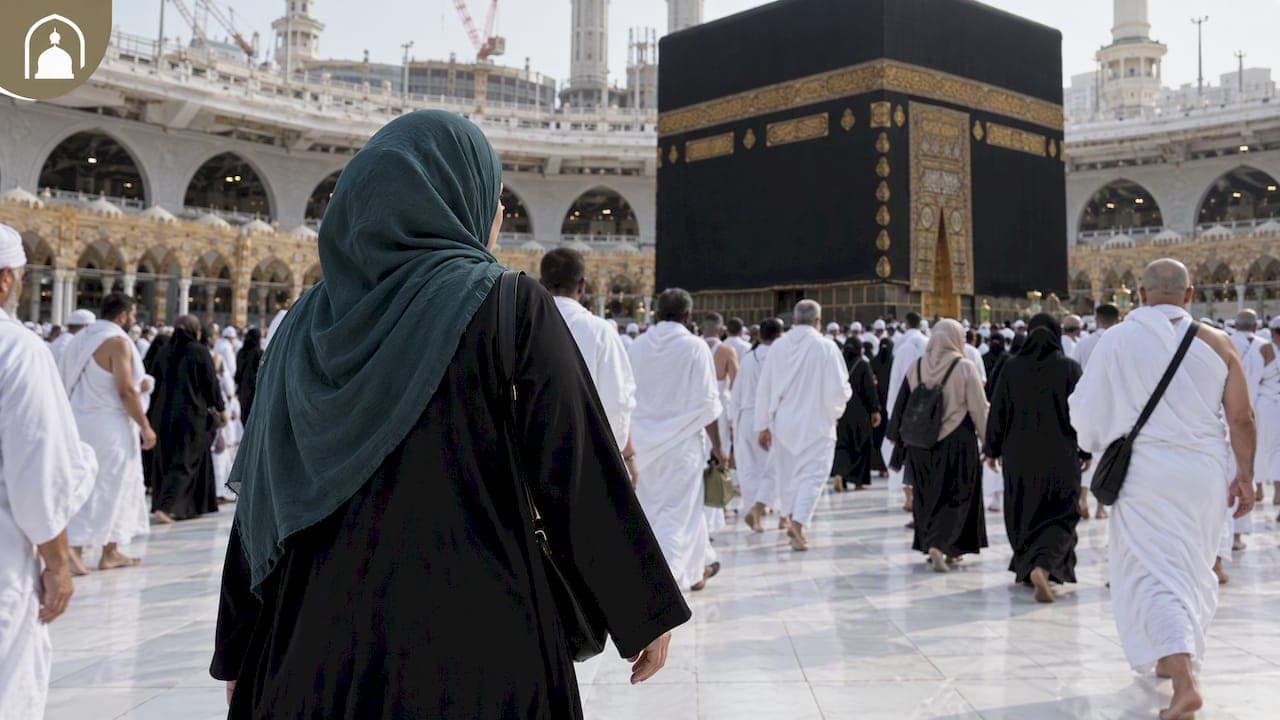

A woman may validly perform Umrah on behalf of another person, and gender alone never invalidates the proxy arrangement. What matters is that the beneficiary genuinely cannot perform Umrah themselves, the proxy understands and states the correct intention (niyyah), and the proxy is ritually competent to carry out the rites. The sections below walk through the evidence, the eligibility rules, the ritual differences, and the practical steps for arranging a compliant female Umrah proxy.
TL;DR:
- A woman can serve as a proxy for Umrah without gender invalidating the arrangement, provided the core conditions and correct intention are met.
- Beneficiaries are usually deceased individuals or living persons with permanent disabilities like age or illness, not temporary obstacles, which require scholarly consultation.
- Rituals are largely the same for female proxies, except women do not perform ramal, and at the end, they shorten hair instead of shaving, with documentation confirming these steps.
- Proper appointment procedures include clear written instructions, independent verification of provider registration, and requesting documented proof like videos, photos, and certificates.
- Families prefer female proxies often for trust or practicality, but the religious rules focus solely on the beneficiary’s inability and the proxy’s competence.
Table of Contents
- What is Umrah Badal and what is its religious basis?
- Who can be a beneficiary and who can serve as proxy?
- Ritual differences when a female proxy performs Umrah
- How to appoint a proxy and confirm the Umrah was done right
- How to verify a provider and spot red flags
- How our service meets these verification standards
- Why families often choose a female proxy
- How to book a Badal Umrah package with us
- FAQ
- Sources
What is Umrah Badal and what is its religious basis?
Umrah Badal, often just called proxy Umrah, means one person performs the rites of Umrah while dedicating the reward and fulfillment of the obligation to someone else, the beneficiary. The term “Badal” simply means substitute or replacement. This is distinct from performing your own Umrah for your own sake.

Scholarly guidance confirms that a woman may perform Umrah on behalf of another person, and that the proxy’s gender does not by itself invalidate the arrangement so long as the core conditions and correct intention are met, according to Islam Question & Answer. Representation in Umrah is tied to the beneficiary’s genuine inability, not to who performs it.
A few points shape when Badal applies:
- Deceased beneficiaries who never fulfilled an obligatory pilgrimage are a primary case for Badal Umrah.
- Living beneficiaries with a permanent condition, such as advanced age or a lasting disability, also qualify.
- Temporary obstacles, like a short illness or a busy work season, usually do not justify Badal without first consulting a qualified scholar, according to Islam QA’s fatwa guidance.
- The niyyah must clearly name the beneficiary; a vague or absent intention undermines the whole purpose of the proxy act.
Who can be a beneficiary and who can serve as proxy?
Not every situation calls for a proxy, and not everyone is fit to act as one. Families should run through eligibility on both sides before arranging anything.
- Beneficiary eligibility: the person must be either deceased without having completed an obligatory pilgrimage, or alive with a permanent condition such as advanced age, chronic illness, or disability that makes travel genuinely impossible, not just inconvenient.
- Proxy eligibility: the proxy should be ritually competent and, according to scholarly guidance, is generally expected to have already completed their own obligatory pilgrimage before performing one on someone else’s behalf, according to Islam Question & Answer.
- One assignment per rite: a single Umrah cannot be dedicated to two different people at once, so each beneficiary needs a separate, distinct Umrah performed in their name.
- Family versus trusted non-relative proxies: a close relative is often preferred for trust and familiarity, but a vetted, unrelated proxy acting through a service is also acceptable when the family cannot travel themselves.
- Mahram considerations: a woman who lacks a mahram is excused from the obligation of Hajj, which affects whether Hajj becomes a debt that must be discharged through a proxy or remains a recommended act instead, according to Islam Question & Answer. This distinction matters when a family is deciding whether proxy Hajj, rather than Umrah, is required for a deceased female relative.
Choosing a woman as the proxy is typically about trust, access, or family preference rather than any religious requirement tied to gender.
Ritual differences when a female proxy performs Umrah
Most of the rites are identical regardless of who performs them. Tawaf around the Kaaba and Sa’i between Safa and Marwah follow the same sequence and conditions for a female proxy as for a male one. The differences show up in a few specific details tied to how women perform certain actions during the rites.
- Women do not perform ramal, the brisk walking pace men use during parts of Tawaf, nor idtiba’, the particular way men wear the ihram garment.
- At the end of Umrah, a woman shortens a small portion of her hair rather than shaving her head, according to Islamic Relief’s guidance on Umrah rules.
- A female proxy’s ihram is regular modest clothing rather than the two-piece white garment men wear, with no specific color requirement beyond modesty.
- These differences should show up clearly in whatever documentation a provider sends back to the family.
Because the hair-shortening step and the absence of ramal are the two most visible markers of a woman’s performance, they are also the easiest points for a family to verify from provider footage.
Pro Tip: Ask any provider for a close-up, timestamped clip of the hair-shortening moment and unedited footage of the Tawaf circuits, since these two details confirm the rites were performed correctly for a female proxy.

How to appoint a proxy and confirm the Umrah was done right
Arranging a proxy Umrah is a sequence, not a single transaction. Skipping a step tends to create confusion later about whose obligation was actually fulfilled.
- Write the appointment clearly: note the beneficiary’s full name, their relationship to you, whether they are deceased or living with a permanent condition, and an explicit statement that the niyyah is being made in their name for Umrah (or Hajj, if that is the assignment).
- Confirm single-assignment logistics: make sure the provider is dedicating one complete Umrah to one beneficiary, not splitting a single rite across multiple names, and ask when the proxy will enter ihram relative to the miqaat boundary.
- Request documentation before paying in full: ask for photos of the rites, a full unedited video covering Tawaf and Sa’i, and a signed certificate naming the beneficiary. Each item proves something different: photos confirm presence, video confirms the sequence and timing of the rites, and the certificate is the formal record you keep.
- Consult a scholar on madhhab-specific questions: some jurists differ on where a proxy should technically begin the rites from, with many accepting entry from Makkah in practice even though the beneficiary’s own point of obligation is discussed in the fiqh literature, according to Islam QA. A short conversation with a knowledgeable scholar resolves any doubt specific to your situation.
Official pilgrimage registration for domestic Hajj in Saudi Arabia runs through Nusuk and licensed companies, and families should verify any provider’s current authorization independently rather than relying only on certificates or videos as proof of licensing, according to the Ministry of Hajj and Umrah. Government registration and religious validity are two separate checks, and a polished certificate does not substitute for either one.
How to verify a provider and spot red flags
A provider can be religiously sound and still lack proper government registration, or vice versa, so these two checks need to happen separately. Religious validity depends on correct niyyah, ritual competence, and adherence to the conditions already covered. Licensing depends on whether the provider is properly registered with the relevant pilgrimage authorities, which families should confirm independently rather than assume from marketing claims.
- Ask for the performing imam’s name and credentials rather than accepting a generic claim of “qualified scholars” with no verification path.
- Request a written contract that states the package, the deliverables, and a clear refund or cancellation policy.
- Look for a documented proof-delivery process: when photos and video are captured, how they are delivered, and in what timeframe.
- Treat vague promises of “government authorization” with no supporting document as a warning sign, not a reassurance.
- Be cautious of providers who refuse to name or identify the imam performing the rites on your behalf.
Understanding how religious certificates function as proof is useful context here, and a faith guide on certificate types explains what a document like this can and cannot establish on its own.
Pro Tip: Treat vetting a Badal Umrah provider the same way you would evaluate any charity before giving: check for transparency first, then check for outcomes.
How our service meets these verification standards
We build each Badal Umrah package around the same checklist a careful family should run through on their own. Our packages include documentation such as certificates, photos, and video, and the rites are performed by imams who follow the correct conditions and intention for each named beneficiary. The eligibility questions covered above, deceased versus permanently unable, and who may stand in as proxy, are the same questions we ask when a request comes in, as outlined on our guide to who can request Badal Umrah.
We still recommend that families verify any provider’s current registration status independently rather than relying on documentation alone, since a certificate proves the rite was performed, not that a company is licensed.
Why families often choose a female proxy
Families frequently choose a woman as proxy for reasons that have nothing to do with religious requirements: she may be a trusted relative, she may share a language with the beneficiary’s community, or she may simply be the family member most available to handle the arrangement. None of these reasons are religious prerequisites, but practical ones.
A little etiquette makes the process smoother: give the proxy or provider clear written instructions, pay on the agreed terms without delay, and thank the person who carried out the rite on your behalf. If a specific question touches on your own madhhab’s position, a brief conversation with a knowledgeable scholar settles it faster than guessing.
— anas
How to book a Badal Umrah package with us
Once you know who the beneficiary is and what documentation you want, booking is straightforward. Each package we offer is built around the same deliverables families need to confirm a proxy Umrah was done correctly.
- The Du’a Package is our entry-level option, covering the core rite with standard proof of completion.
- The Noor Package adds further documentation for families who want extra assurance.
- The Barakah Package expands the evidence package further for added transparency.
- The Jariyah Premium Package is our most complete option, with full certificate, photo, and video documentation.
Visit our Badal Umrah packages page to choose the option that matches how much documentation your family wants, and book directly when you are ready.
FAQ
Can a female perform Umrah alone?
Yes, a woman can perform Umrah on her own when she has a mahram or meets the conditions that allow her to travel, and the same ritual rules, including hair shortening instead of shaving, apply whether she travels herself or acts as a proxy for someone else.
What are the rules for Umrah for ladies?
The core rites, Tawaf and Sa’i, are identical to men’s, but women skip the brisk ramal pace and the idtiba’ garment style, wear modest regular clothing instead of a two-piece ihram, and shorten rather than shave their hair at the end, according to Islamic Relief.
Who is eligible for Badal Umrah?
Eligible beneficiaries are typically deceased individuals who never completed an obligatory pilgrimage, or living people with a permanent condition such as advanced age, chronic illness, or disability that makes travel genuinely impossible; temporary obstacles usually require scholarly consultation first, according to Islam QA.
Can I do Umrah for a non-mahram?
Yes, performing Umrah on behalf of a non-mahram is permissible, since the validity of a proxy arrangement depends on the beneficiary’s inability and the proxy’s correct intention and competence, not on any family or mahram relationship between the two, according to Islam Question & Answer.