- photography in masjid al haram
Photography in Masjid al-Haram: What Is Allowed in 2026
Published on Oct 24, 2026
Photography in Masjid al-Haram: What Is Allowed in 2026

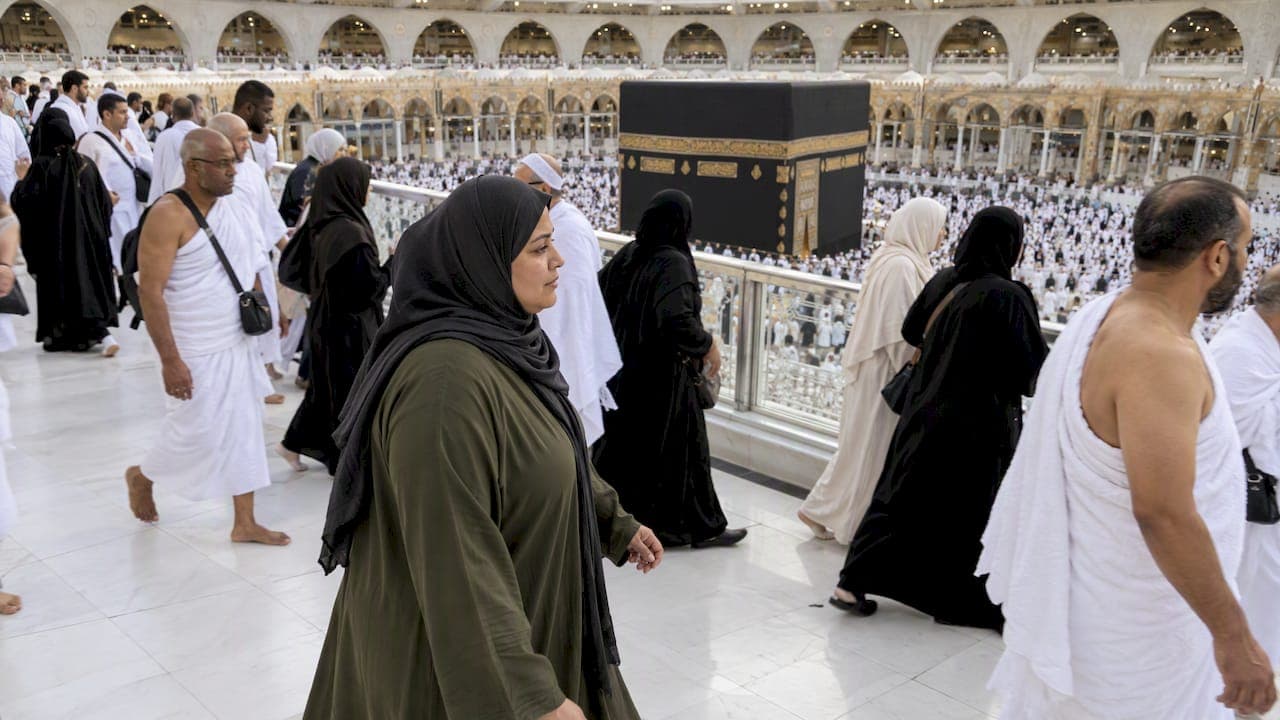
The short answer: treat photography inside Masjid al-Haram as restricted, and do not count on being allowed to take any. Reports from December 2025 describe a full ban on photos and video inside the mosque. Earlier official guidance only asked pilgrims to avoid photographing others without consent and to avoid disturbing worship. Even where a quick personal photo is tolerated, security staff can tell you to stop at any time, and you must stop at once.
This guide separates what is reported, what is guidance, and what scholars say. It also gives you practical habits that protect your Umrah, your fellow worshippers, and your own record.
TL;DR
- Saudi media reported in December 2025 that photography and video are banned inside the Two Holy Mosques. Official guidance we could check still centers on consent, crowd flow and security instructions, so rules can differ by time and place.
- Never photograph or film other worshippers without their consent. Never use tripods, gimbals, selfie sticks or large camera rigs.
- Scholars generally treat personal photography as permissible in principle, but disliked when it distracts you or others, or turns worship into content.
- If security asks you to stop, stop and delete if asked. Peak times (Ramadan, Hajj season, near the Kaaba) are the strictest.
- If you cannot be there yourself, a documented Badal Umrah can give you proof of completion without a single photo from you.
Table of Contents
- What Saudi authorities have said
- What is clearly not allowed
- The legal side: privacy and penalties in Saudi Arabia
- What scholars say about photographing during Umrah
- Etiquette that keeps your Umrah intact
- Practical tips for pilgrims who want a record
- Our perspective
- If you cannot go yourself: Umrah on your behalf
- FAQ
- Sources
What Saudi authorities have said
There are two layers here, and readers often mix them up.
The reported ban. In early December 2025, outlets including Dunya News and Eastleigh Voice reported that the Ministry of Hajj and Umrah had announced a total ban on photos and video inside Masjid al-Haram in Makkah and Masjid an-Nabawi in Madinah. The stated reasons were crowding, blocked pathways, delays at prayer times, privacy disputes and distraction during worship. Both reports say security staff would enforce it.
The official guidance. The Ministry’s own Umrah and Visit Guide is the page to check for the rules in force. As of October 2026, we could not confirm a permanent, written blanket ban on personal phone photography there. What the guidance and earlier announcements do make clear is that authorities enforce restrictions during crowded periods, and that security personnel have wide discretion near the Kaaba and in the Rawdah area. In September 2024, Gulf News reported that photographing others in the mosque without their permission is prohibited.
What does this mean for you? Plan as if photography is not permitted. If you see other pilgrims taking quick photos and staff are not intervening, that is tolerance, not permission. It can change in a moment, and the officer’s instruction always wins.
What is clearly not allowed
Some points are consistent across every source we reviewed:
- Photographing people without consent. This includes pilgrims in prayer, in tawaf, women, children and elderly worshippers.
- Photographing security staff or control points. Doing so can lead to the device being checked and images deleted, according to the guidance summarized on the Ministry of Hajj and Umrah site.
- Professional gear. Tripods, gimbals, selfie sticks and DSLRs with large lenses are not allowed inside the Two Holy Mosques.
- Blocking the way. Stopping in the mataf or a walkway to film is the most common reason pilgrims get asked to stop.
- Posting images of others online. This is where a harmless moment can become a legal problem, as the next section explains.
The legal side: privacy and penalties in Saudi Arabia
Photography of people in Saudi Arabia is regulated beyond the mosque rules. According to LegalClarity’s summary of the Public Decency Law, taking photos or videos of people without permission carries a fine of 1,000 SAR for a first offense and 2,000 SAR for a repeat. Privacy invasions, especially when images are shared online, can fall under the Anti-Cyber Crime Law. Penalties there can reach up to one year in prison and fines up to 500,000 SAR.

These are the figures reported by a legal explainer, not a court’s verdict on any case, and enforcement depends on the facts. The practical lesson is simple: a stranger’s face in your video is a risk to you, not only a discourtesy to them.
What scholars say about photographing during Umrah
The question “is it permissible?” has a different answer from “is it wise?”
On the jurisprudence, the answer is mostly gentle. An Egyptian Dar al-Ifta fatwa official, in a report by Al-Ahram, addressed pilgrims photographing themselves in front of the Kaaba. The general view reported is that personal documentation is permissible, provided it does not lead to vanity or arrogance, does not neglect the rituals, and does not harm or intrude on others. Excessive photography is described as disliked (makruh) because it can disturb the spiritual atmosphere.
The Federal Territory Mufti’s Office in Malaysia, answering a question about filming tawaf with a GoPro, starts from the principle that recording video is permissible in itself. It then ties the ruling to context: filming that is linked to worship, obstructs the path, or disturbs other worshippers’ concentration is discouraged.
The Two Holy Mosques’ religious affairs chief, Sheikh Abdulrahman Al-Sudais, urged pilgrims not to get busy with filming and instead to honor the time and the sacred place.
Put together, the scholarly message is not “never”. It is “worship first, and never at another person’s expense”. A rule of thumb many pilgrims find useful: if the photo makes you rush, show off, or step into someone’s space, skip it.
Etiquette that keeps your Umrah intact
The intention behind Umrah is to worship. These habits keep the camera from taking that away.
- Ask yourself why. If it is a memory for your family, that is a sincere reason. If it is for approval online, put the phone away.
- Do your rituals first. Finish tawaf, the two rak’ahs, sa’i and the shortening or shaving of hair before you think of pictures, and only where permitted.
- Stay out of the flow. Never stop in the mataf, on the Safa and Marwah path, or at a doorway. Step to the side only where you will not obstruct anyone.
- Silence everything. Phone on silent, flash off, no video calls from inside the prayer areas.
- Frame without faces. Wide architecture shots, your own hands holding a tasbih, or a prayer mat leave no stranger identifiable. Hisar Travel’s guide for Singapore pilgrims suggests these subjects, along with quieter hours such as early morning or late at night.
- Comply instantly. If an officer or volunteer asks you to stop, put the phone away and do what they ask, including deleting an image.
- Do not livestream. Streaming pulls your attention away and often captures strangers without their knowledge.
Photographing family members
A relative you are traveling with can consent, so a quick, discreet picture is usually less of a concern than a stranger’s. Still, do not pose a group in a crowded area. Many families wait until they are outside the mosque, in a hotel lobby or a public area where photography is not restricted, and take a group picture there.

Women and privacy
Women in prayer, and people in states of vulnerability such as the elderly being pushed in wheelchairs, deserve particular care. Their faces and bodies should not end up in a video you post. If you are making content for family only, keep it private and crop or blur others before sharing.
Practical tips for pilgrims who want a record
Knowing the rules is half of it. These steps help you manage the rest.
- Choose your moments. The least restricted memories are often outside the prayer areas: the hotel window, the walk toward the mosque, your ihram clothing, your travel documents.
- Go light. Leave tripods and large cameras at the hotel. A phone is enough, and it is easier to put away quickly.
- Write instead. A short journal entry of what you prayed for, who you remembered and how you felt will mean more in ten years than a blurred video of a crowd.
- Charge and connect before you leave the hotel. A dead phone or a missing data plan sends many pilgrims scrambling in crowded areas. A traveler eSIM and other Umrah and Hajj travel essentials can be sorted before you arrive, so you are not on your phone in the mataf looking for signal.
- Avoid the peak windows. Ramadan, the last ten nights, Hajj season and Friday prayers are the times security is strictest and the crowds thickest.
Our perspective
We perform Umrah on behalf of others every day, and photography is a question we think about carefully, because our work depends on trust and proof. Clients want assurance that the rites were done. But we do not believe proof should ever cost a pilgrim their khushu’ or another worshipper their privacy.
That is why our approach is documentation that respects the rules of the Haram and the dignity of those around. We never see a crowd as a backdrop for content. We see each worshipper as someone else’s mother, father or child, standing before Allah. Where documentation is allowed, it is kept to what shows the rite was done and nothing more.
If you are traveling yourself, our advice matches the scholars’: perform the rite first, keep your intention clean, obey the staff, and let your memory, your du’a and your family’s stories carry the experience. A single quiet photograph taken respectfully, where permitted, is far better than a roll of footage that cost you your focus.
— anas
If you cannot go yourself: Umrah on your behalf
Many of our clients ask about photography because they cannot be in Makkah. They may be elderly, ill, or grieving a parent and want to complete a duty for them. For them, the question is not what to film but how to know the rites were done properly.
In Badal Umrah, a trusted representative performs the rites for you or your loved one, and you receive proof of completion, which can include photos, video and a certificate, depending on the package. Our Du’a Package starts at 150 USD one-off. The Noor Package is 250 USD, the Barakah Package is 400 USD and the Jariyah Premium Package is 500 USD. You can see examples of how we present completed work in our gallery, and when you are ready, you can book your Umrah online.
If you want to understand the ruling first, read our explanation of whether Umrah for others is allowed. For families remembering someone who has passed, our guide to documented Umrah for deceased loved ones walks through the steps.
FAQ
Is it haram to take photos in Masjid al-Haram?
Not in itself, according to the scholarly views we reviewed, which treat personal photography as permissible when it involves no vanity, harm or neglect of worship. It becomes disliked or forbidden when it distracts you, intrudes on others’ privacy or breaks the rules of the place. Because Saudi authorities have reported restrictions, the safest approach is not to photograph inside the mosque at all.
Can I film my tawaf or Umrah?
We advise against it. Scholars at Malaysia’s Federal Territory Mufti’s Office discourage filming that obstructs the path or disturbs others during tawaf, and security staff can stop you or ask you to delete footage. Focus on the ritual, and document the journey outside the prayer areas instead.
Can I take pictures of other pilgrims?
No, not without clear consent. Photographing people without permission is prohibited in the mosque and can lead to fines under Saudi law, with more serious penalties if the images are shared online. When in doubt, leave people out of the frame.
What equipment is not allowed?
Tripods, gimbals, selfie sticks and DSLR cameras with large lenses are not allowed inside the Two Holy Mosques. Even with a phone, security can confiscate the device or require deletion if you photograph staff, control points or other worshippers.
How can I get proof of Umrah without photographing it myself?
A Badal Umrah service performed by a representative can provide documentation of completion, such as photos, video and a certificate, depending on the package. The representative is responsible for following the rules in the Haram, so you do not need to be there.
Sources
- Saudi Arabia bans photography in Masjid al-Haram, Masjid an-Nabawi, Dunya News
- Saudi Arabia announces full ban on photography inside Holy mosques, Eastleigh Voice
- Umrah and Visit Guide, Ministry of Hajj and Umrah
- Ministry of Hajj and Umrah
- What you should know about photo rules in Saudi Arabia’s Grand Mosque, Gulf News
- Saudi Arabia’s Public Decency Law: Requirements and Fines, LegalClarity
- Ruling on photographing in front of the Kaaba during Umrah, Al-Ahram
- Al-Kafi #593: Filming with a GoPro during tawaf, Federal Territory Mufti’s Office
- Don’t get busy with filming at Islam’s holiest sites, Gulf News
- Photography in Haramain: What SG Pilgrims Can Capture, Hisar Travel