- umrah for deceased parents
Umrah for Deceased Parents From $150: BinBaz Rulings, Nusuk Permits
Published on Sep 28, 2026

Yes, performing Umrah on behalf of a deceased parent is permitted in Islam, and the single condition to check before anything else is that the proxy must have already completed their own obligatory Umrah. Once that box is checked, the intention (niyyah) for the deceased is formed in the heart at the moment of entering Ihram. Naming the parent aloud during the Talbiyah is recommended but not required for the act to count.
TL;DR:
- Only those who have completed their own obligatory Umrah are eligible to perform proxy Umrah for a deceased parent.
- The act is supported by hadith evidence and Saudi fatwa, with scholars agreeing it benefits the deceased through prayer and charity.
- Verification involves obtaining official permits via the Nusuk platform, with clear documentation and trustworthy providers essential.
- Reward distribution among scholars varies, but sincere intention and verified performance remain the priorities.
- Official service packages offer different levels of proof, from simple certificates to videos, with prices ranging from $150 to $500.
Table of Contents
- What scholars and hadith evidence say about the ruling
- Who qualifies and what conditions must be met
- The step-by-step ritual for a proxy Umrah
- Permits and official logistics you need to satisfy
- How to choose someone trustworthy to perform it
- What scholars say about reward, priority, and charity
- What documented proof of a proxy Umrah should look like
- Honoring a parent through careful, verified worship
- If you want a verified managed service, here is how Badal Umrah helps
- Sources
- FAQ
What scholars and hadith evidence say about the ruling
The permissibility of proxy Umrah rests on hadith reports describing the Prophet Muhammad allowing a companion to perform Hajj on behalf of a deceased relative, a precedent scholar extend to Umrah. Saudi religious authorities have addressed the question directly. BinBaz rulings on Hajj and Umrah for the deceased confirm the practice benefits the deceased and is grounded in hadith reports permitting proxy pilgrimage.
- Ibn Baz and various fatwa committees affirm the ruling as settled, not a matter of dispute among mainstream scholars.
- The proxy is rewarded for the effort and kindness of performing the ritual, even though the primary spiritual benefit is directed at the deceased.
- Minor scholarly disagreement exists over how reward is distributed, but this does not affect whether the act is allowed.
Who qualifies and what conditions must be met
Before arranging a proxy Umrah, run through this short checklist to confirm the arrangement is valid.
- The proxy has personally completed their own obligatory Umrah before performing one for someone else.
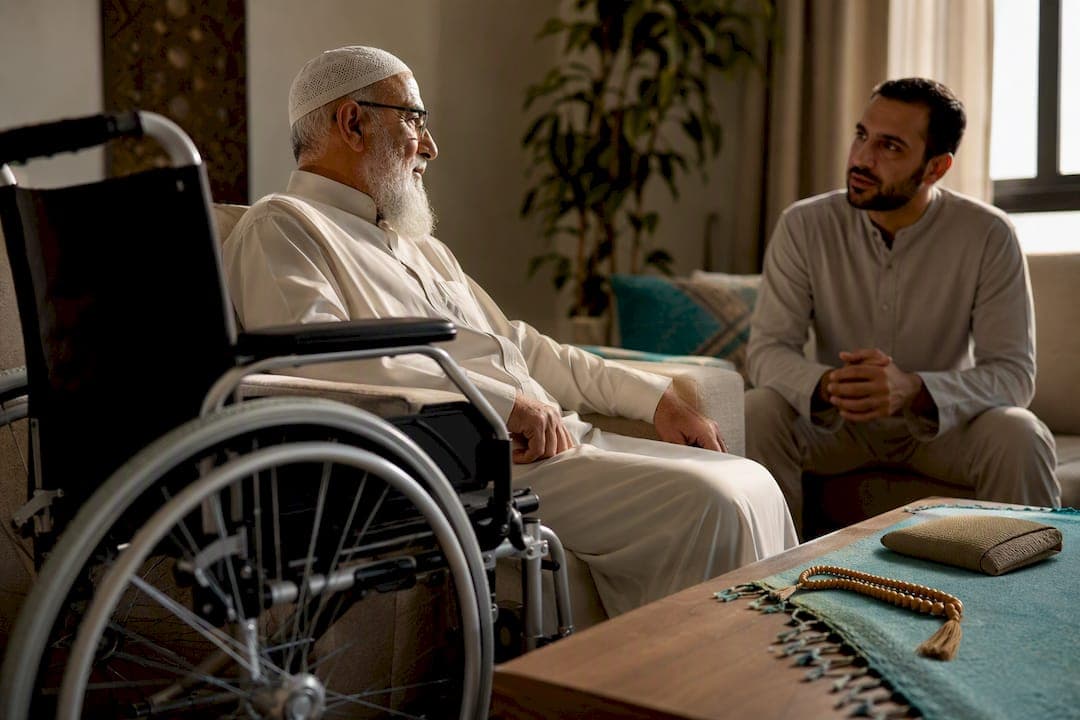
- The person being represented is deceased, permanently ill, or elderly and not expected to recover enough to travel.
- The intention is formed in the heart at Ihram, with a spoken mention during Talbiyah considered a recommended addition rather than a requirement.
- The proxy does not hand the task to someone else without the seeker’s knowledge and consent.
A guide on who can request Badal Umrah walks through these scenarios in more detail, including how families typically decide who qualifies.
The step-by-step ritual for a proxy Umrah
The mechanics of a proxy Umrah mirror a personal one, with the intention adjusted to name the deceased parent.
- Confirm identity and intention details with whoever is performing the ritual, including what proof they will supply afterward.
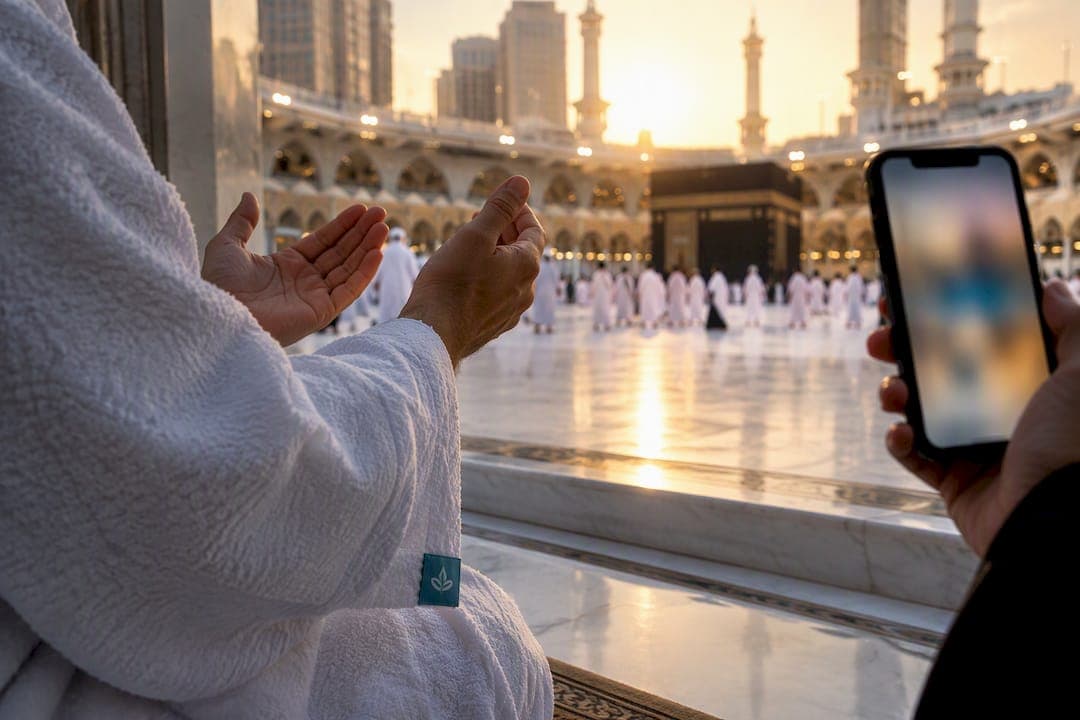
- Enter Ihram at the appropriate boundary point, forming the intention for the deceased parent’s Umrah rather than your own.
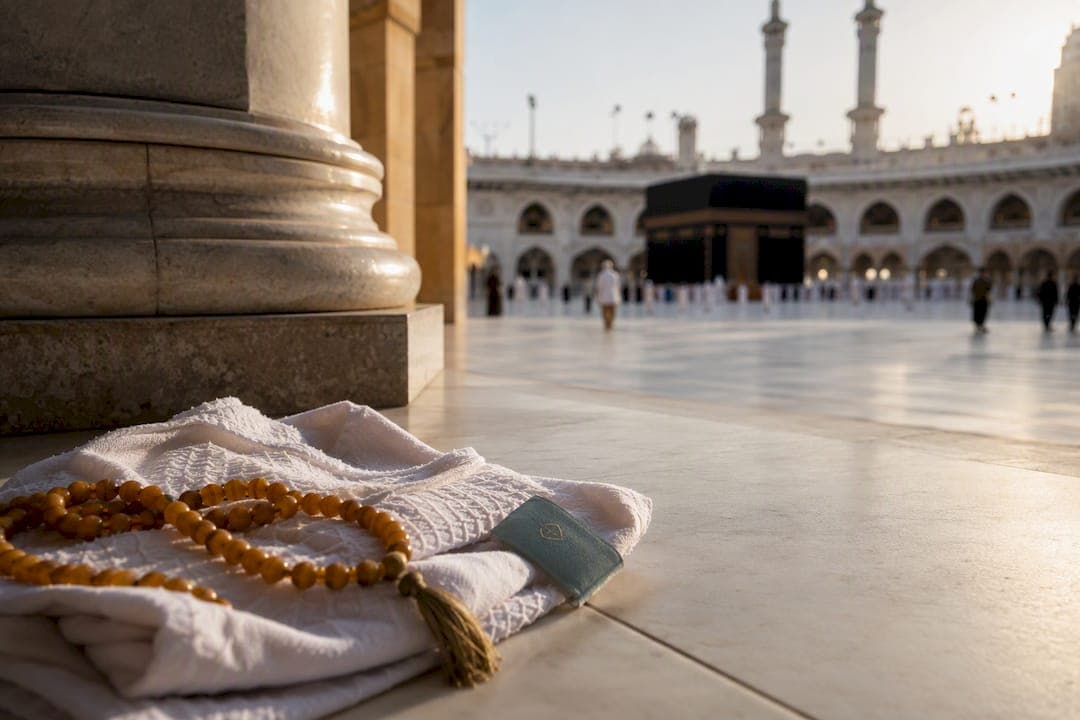
- Perform tawaf, the seven circuits around the Kaaba, with that same intention held throughout.
- Complete sa’i between Safa and Marwah.
- Finish with hair cutting or shaving, closing the ritual on behalf of the deceased.
- If a second or third proxy Umrah is planned in the same trip, travel to a nearby boundary such as Al-Tan’eem to renew Ihram rather than returning to the original external miqat.
- Request photos, video, or a certificate as proof the ritual was completed.
When a pilgrim wants to perform their own obligatory Umrah first and then take on proxy Umrahs for others, the order matters: finish your own rituals completely, then head to Al-Tan’eem, form the new intention for the parent, and repeat the ritual sequence. This exact procedure, including the renewal step at a nearby boundary, is detailed in scholarly guidance on how to perform Hajj and Umrah for the deceased. A more detailed walkthrough of this sequence appears in a step-by-step Badal Umrah process guide.
Pro Tip: Write the intention down beforehand, even just a note on your phone, so nerves at the miqat don’t cause you to mix up whose Umrah you’re performing.
Permits and official logistics you need to satisfy
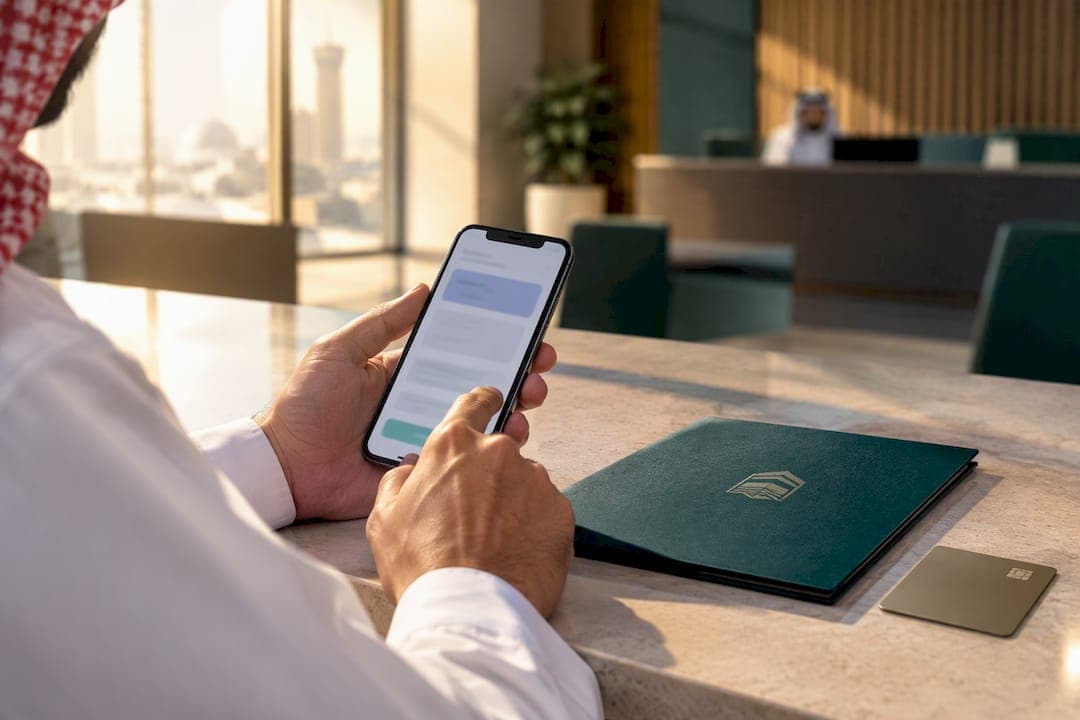
Every pilgrim and proxy performer needs a valid digital permit before entering Ihram or the Haram. In Saudi Arabia, this runs through the Nusuk platform for Umrah permit applications, which issues the official digital card pilgrims must carry as proof of legal entry and booking.
- The Nusuk digital card functions as your primary proof that the visit is authorized.
- Passport or ID, a booking receipt, and proof of ritual completion should all be kept together.
- Unofficial intermediaries who bypass Nusuk carry real risk since there is no institutional record of the permit.
The Nusuk platform is the official channel for permits, bookings, and visa coordination, which is why any legitimate proxy arrangement should be traceable back to it in some form, according to Saudi official logistics.
How to choose someone trustworthy to perform it
Fraud in this space usually follows a pattern: no documentation, vague answers, and pressure to pay outside any tracked platform. Islam Q&A’s ruling on delegating Umrah warns specifically against intermediaries who take on many appointments and then quietly re-delegate the work without telling the paying family.
- Ask for documented proof, meaning certificates, photos, and video, along with confirmation of which imam or performer completed the ritual.
- Get explicit confirmation that your Umrah will not be re-delegated to someone else without your knowledge.
- Treat secrecy, missing documentation, or insistence on off-platform payment as red flags worth walking away from.
- If you cannot verify a specific performer, consider instead sponsoring a needy pilgrim’s own Umrah as an alternative charitable act.
Pro Tip: A trustworthy provider will answer questions about their verification process before you pay, not after.
What scholars say about reward, priority, and charity
Scholars differ on a technical point: whether the proxy earns reward equal to the deceased’s or a separate, lesser reward for the act of service. Islam Q&A addresses this reward question directly, noting that some jurists hold the proxy shares in reward while others limit the primary benefit to the deceased alone.
- When deciding order among deceased parents, BinBaz guidance on prioritizing the mother recommends performing the mother’s Umrah first given her emphasized rights in Islamic teaching.
- Sponsoring Umrah for a needy pilgrim is a charitable act but is distinct from sadaqah jariyah, which refers specifically to ongoing charity that keeps generating reward after death, such as a well or a book of knowledge.
- Whichever position a scholar takes on reward distribution, the practical guidance stays the same: sincerity and correct intention matter more than the technical split.
What documented proof of a proxy Umrah should look like
The website badalumrah.org offers services specifically for performing Umrah on behalf of others and documents each completion with photos, video, and a certificate. For families who cannot verify a performer in person, this kind of evidence is what closes the trust gap: dated photos at the Haram, video of the ritual, and a signed certificate naming the deceased. Acceptable proof should let you match the timing and location to what was promised, not just a generic image.

Honoring a parent through careful, verified worship
Umrah performed for a parent is a quiet act of gratitude, one that means more when it is verified rather than assumed. Pair it with dua and charity in the parent’s name, and choose a performer whose process you can actually check.
— anas
If you want a verified managed service, here is how Badal Umrah helps
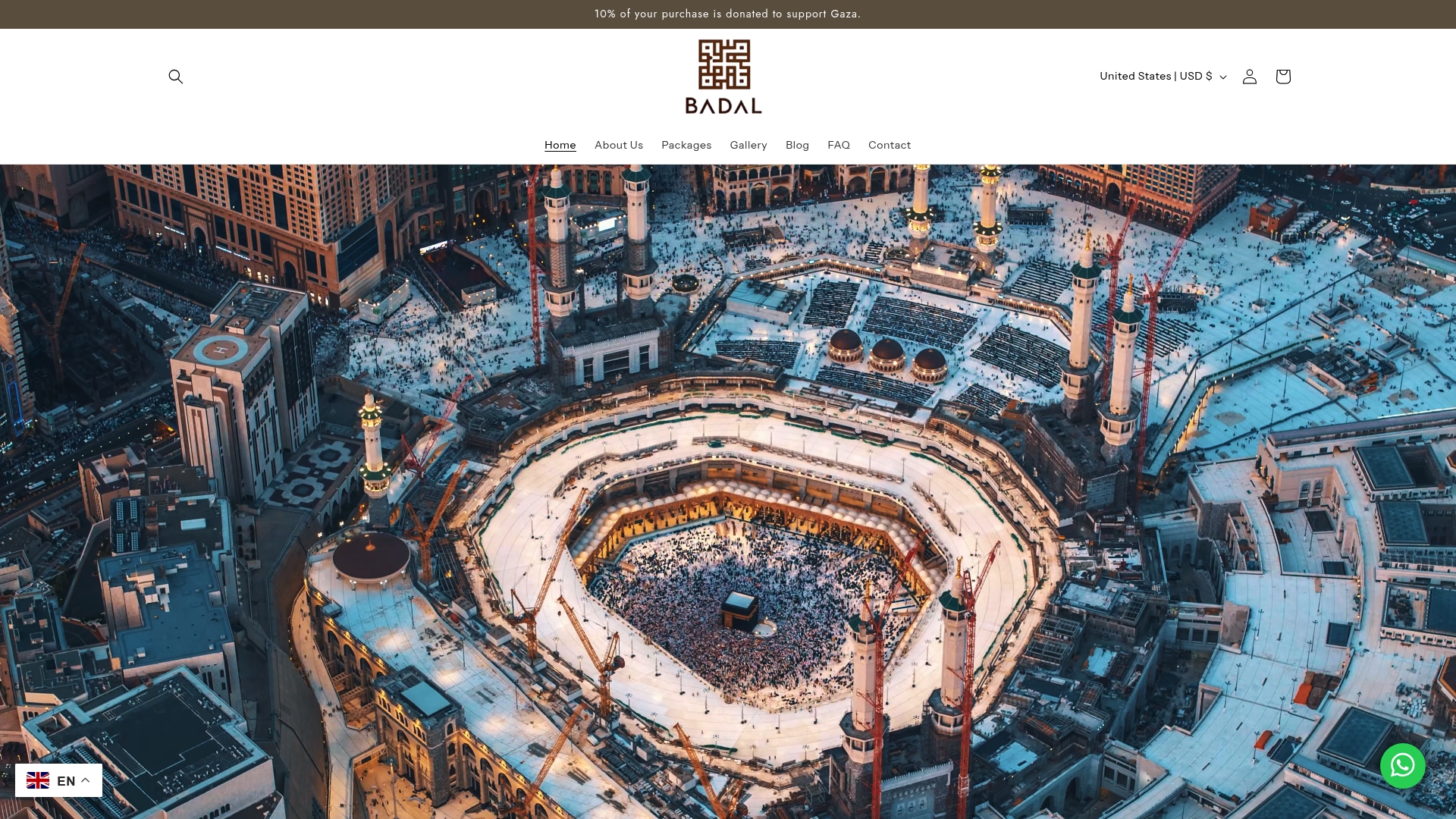
To arrange a proxy Umrah from abroad often means trusting a service you cannot personally oversee, which is exactly the gap a documented package is built to close. Badal Umrah offers several tiers built around that need: the Du’a Package, the Noor Package, the Barakah Package, and the Jariyah Premium Package, each promising a certificate, photos, and video as proof of completion.
- The Du’a Package is priced at $150 as a one-time fee and includes documentation of the completed Umrah.
- The Noor Package is priced at $250 one-off and adds further verification detail.
- The Barakah Package is priced at $400 one-off for readers who want fuller proof.
- The Jariyah Premium Package is priced at $500 one-off and pairs the ritual with an ongoing charitable commitment.
Before paying anyone, ask for imam verification, a clear cancellation or confirmation policy, and evidence tied to an official Nusuk permit. Readers ready to move forward can review the full lineup on the Badal Umrah packages page and book the tier that matches how much documentation they want.
Sources
- الحج والعمرة عن الميت - موقع الشيخ ابن باز
- Umrah Permit Application — Ministry of Hajj and Umrah (Nusuk)
- Can You Delegate Someone to Perform `Umrah on Behalf of a Dead Person? - Islam Q&A
FAQ
Can you perform tawaf on behalf of a deceased person?
Yes, tawaf performed with the intention formed for the deceased at the start of Ihram counts as part of their proxy Umrah. The intention needs to be set once at Ihram, and it carries through tawaf, sa’i, and the final hair cutting.
What are the risks of falling ill during Umrah?
Illness during Umrah can interrupt the ritual sequence, which is one reason many families choose a proxy when a parent is too unwell or elderly to travel. A trustworthy performer or service should have a plan for delays and will document exactly when each step was completed.
What counts as sadaqah jariyah after death?
Sadaqah jariyah refers to ongoing charity that keeps generating reward after a person dies, such as funding a well or distributing a lasting resource. Sponsoring a single Umrah for someone in need is a valued charitable act, but scholars distinguish it from sadaqah jariyah specifically because it is a one-time deed rather than a continuing source of benefit.
What is a good dua to say for deceased parents?
Many scholars recommend simple, sincere supplications asking for forgiveness and mercy for one’s parents, alongside the same dua’s one recites during their own Umrah. Pairing this dua with the proxy Umrah and with ongoing charity in the parent’s name reflects the balanced approach scholars encourage.